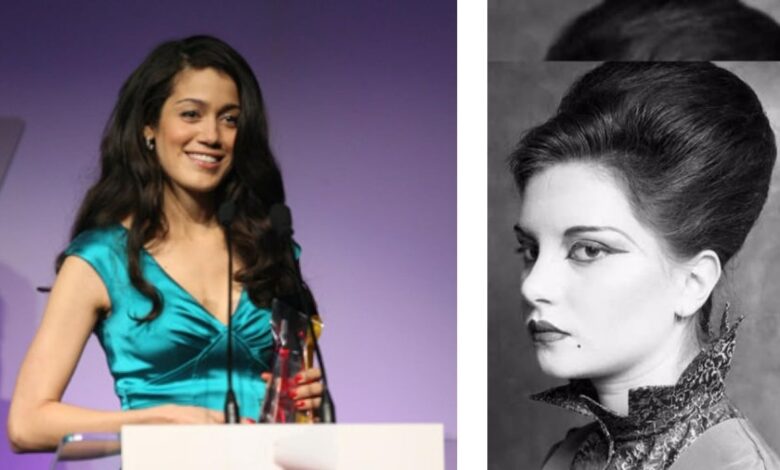
Julianna Farrait remains one of the most enigmatic figures associated with the American criminal underworld of the twentieth century. Often recognized primarily through her marriage to the notorious heroin kingpin Frank Lucas, she forged her own path that frequently intersected with illegal activities. Born in Puerto Rico around 1941, she led an anonymous life until she met the man who would define much of her public narrative on a flight to New York. Their union became the stuff of legend, often compared to the infamous Bonnie and Clyde, as they navigated a lifestyle of extreme wealth, danger, and eventually, legal consequences.
Quick Bio
| Category | Details |
|---|---|
| Name | Julianna Farrait |
| Spouse | Frank Lucas (m. 1967–2019) |
| Known For | Wife of Frank Lucas, criminal involvement |
| Birth Year | c. 1941 |
| Origin | Puerto Rico |
Early Life and Background in Puerto Rico
Before she became a household name linked to the drug trade, Julianna Farrait lived a life far removed from the headlines. Growing up in Puerto Rico, she was a former beauty queen with aspirations and a background that gave little hint of the life she would eventually lead. Her early years were marked by the relative anonymity typical of her social standing in Puerto Rico. However, fate intervened when she crossed paths with Frank Lucas on a fateful flight. This meeting served as the catalyst for a transformation that would take her from a quiet island life to the center of Harlem’s underworld.
The Fateful Meeting with Frank Lucas
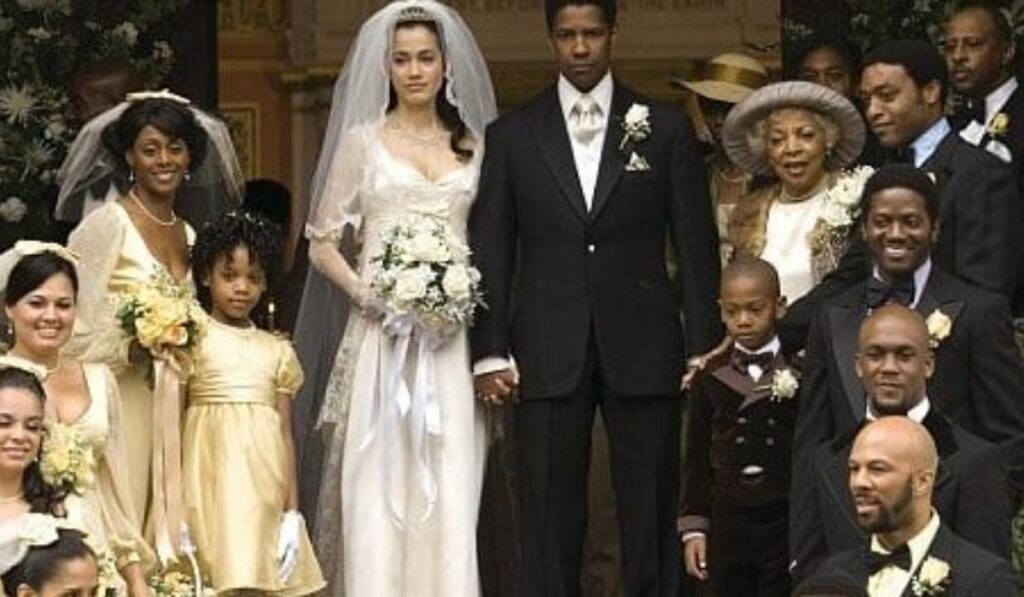
The meeting between Julianna Farrait and Frank Lucas is often cited as the beginning of a partnership that defied societal norms. Frank, who was already on the verge of establishing a massive heroin empire, found a partner who was not only captivated by the allure of power but also willing to participate in his high-stakes world. Their relationship was characterized by intense loyalty and a shared ambition that went beyond typical romantic involvement. For Julianna, this connection brought access to unimaginable wealth and influence, while for Frank, she became a trusted confidante and a partner in his complex operations.
Becoming Part of the Criminal Empire
As the 1960s progressed, Julianna Farrait became increasingly involved in the operations managed by her husband. She was far from a passive bystander in the drug trafficking network that Frank Lucas controlled. Reports from the time and subsequent accounts suggest that she played an active role, contributing to the management of their massive illicit enterprise. Her involvement meant she was privy to the logistics of importing “Blue Magic” heroin from Southeast Asia to Harlem. This life of crime allowed them to amass vast amounts of money, which they displayed through extravagant living, expensive gifts, and a public profile that commanded attention.
Life of Luxury and Extravagance
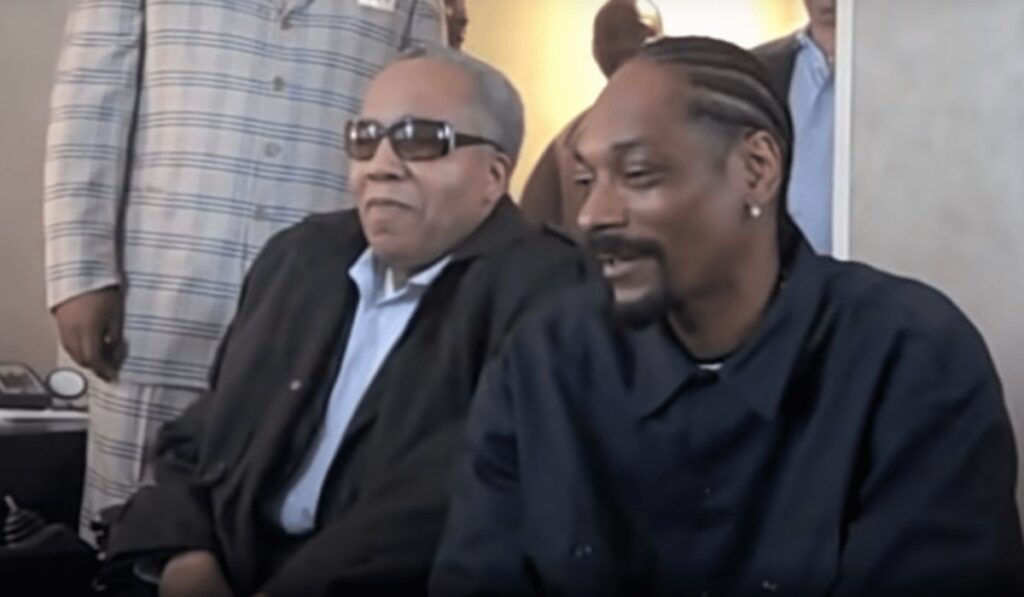
The wealth generated by the drug trade enabled Julianna Farrait to indulge in a life of extreme luxury. From antique cream Mercedes to high-fashion mink coats, she frequently enjoyed the fruits of their dangerous profession. She once famously defended the importance of money, noting that those who claimed it could not buy happiness were lying. This period of their lives was defined by a desire to outspend and outshine those around them, a reflection of the insecurity and competitive nature of their criminal milieu. For Julianna, this opulent lifestyle was a central part of their shared identity as a couple.
The Raid and Legal Consequences
Everything changed on January 28, 1975, when authorities raided the couple’s home in Teaneck, New Jersey. This event marked the beginning of the end for the empire they had built together. Following the arrest, both Julianna Farrait and Frank Lucas faced severe legal consequences for their roles in the drug trade. Frank was sentenced to seventy years in prison, while Julianna was sentenced to five years. This period proved to be a turning point, forcing her to confront the reality of her choices and the devastating impact that their criminal activities had on their family and their future prospects.
Witness Protection and Life After Prison
Following her release and her husband’s cooperation with authorities, Julianna Farrait entered a period of relative instability. She had to navigate the complexities of life under witness protection with her children, attempting to carve out a sense of normalcy despite the shadow of her past. This era was filled with personal challenges, including a temporary separation from Frank. Despite the pressures of the legal system and the loss of their former status, she maintained a complicated bond with her husband. The transition from the high-life of the 1970s to the quiet of witness protection was immense and difficult.
Portrayal in American Gangster
In 2007, the release of the film American Gangster brought the story of Julianna Farrait back into the public consciousness. Played by actress Lymari Nadal, her character was depicted as a strong, loyal woman standing by her husband’s side. Julianna herself, however, expressed a different perspective, describing herself as a shy woman who struggled with the sudden attention the film brought to her life. She noted that she avoided the movie’s premiere because she did not want to be identified or known publicly, citing the emotional toll that the renewed public interest took on her personal well-being.
Struggles with Public Attention
The renewed interest sparked by the film and the accompanying media coverage created significant difficulty for Julianna Farrait. She preferred to remain in the shadows, far from the fame that the movie bestowed upon her and her husband. The constant scrutiny and the association with her husband’s criminal history became a source of significant stress, leading to panic attacks and a desire for privacy. Her reaction to the film highlights the complex reality of being part of a public criminal narrative, where the private individual often feels lost behind the character constructed by media and cinema.
The 2010 Arrest in Puerto Rico
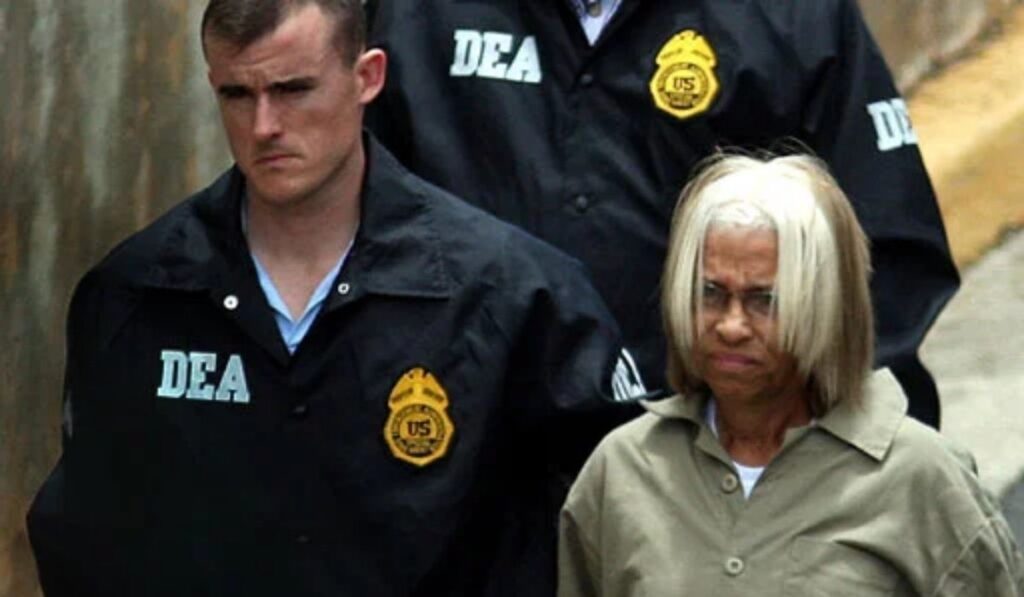
Despite the years that had passed since her initial conviction, Julianna Farrait found herself back in the headlines in May 2010. She was arrested in Puerto Rico for attempting to sell two kilograms of cocaine to an informant at a hotel. This incident shocked many who believed she had moved past her criminal life. The arrest reignited discussions about her role in the drug trade and her ongoing struggles with legal issues. Standing before a judge at the age of 70, she expressed shame and a desire to spend time with her then-81-year-old husband, seeking leniency for her actions.
Sentencing and Legal Challenges
The 2010 case resulted in a five-year prison sentence for Julianna Farrait. During her sentencing in Manhattan federal court, she sought mercy and compassion, emphasizing her age and her desire to support her aging husband. This second conviction highlighted the recurring patterns in her life and the challenges of exiting a world built on illicit activities. The legal proceedings served as a stark reminder of the long-lasting consequences of her earlier involvement in the heroin trade. Throughout this time, she remained a focal point for media coverage, often identified primarily by her association with the Frank Lucas brand.
Her Relationship with Frank Lucas
The marriage between Julianna Farrait and Frank Lucas was defined by its longevity and its turbulent nature. Despite the separations, the prison sentences, and the legal troubles that plagued them both, their love story endured until Frank’s death in 2019. She viewed herself as a partner in every sense, standing by him through the peaks of his power and the depths of his downfall. Their relationship serves as a testament to the complex emotional bonds formed under extreme circumstances, where loyalty and mutual history often transcend the legality of one’s choices and actions within society.
Reflecting on Her Choices
Looking back on her life, Julianna Farrait’s story is one of choices made in the pursuit of wealth and survival. She frequently spoke about the allure of danger and the satisfaction of living a life that few could imagine. Her reflections suggest a woman who was acutely aware of the risks but often felt the rewards justified the path she had chosen. The life she led was not merely an accessory to her husband’s career; it was an active participation in a high-stakes game that eventually demanded a heavy price from her family, her freedom, and her own peace.
The Impact on Her Family
The lives of those around Julianna Farrait were undeniably impacted by her choices. Her children were forced to navigate a childhood overshadowed by the criminal activities of their parents and the subsequent periods of incarceration. The instability inherent in their lives, including the witness protection period, created a unique set of challenges. While she often expressed a desire for closeness and family life, the consequences of her actions frequently hindered these aspirations. The legacy of her life is thus tied not just to her own experiences but to the long-term effects her decisions had on her loved ones.
Media Representation vs Reality
There is a distinct gap between the media’s portrayal of Julianna Farrait and the woman who lived the reality of these events. While the media often painted her as the glamorous “Bonnie” to Frank’s “Clyde,” she often described herself in simpler, more vulnerable terms. The fascination with their lifestyle often ignored the darker realities of drug addiction, incarceration, and the constant fear of discovery that permeated their daily lives. Understanding Julianna requires looking past the cinematic allure to acknowledge the personal struggles and the heavy weight of the choices she made during her time in Harlem.
Connection to the Harlem Drug Trade
Julianna Farrait’s history is inextricably linked to the history of the Harlem drug trade during the 1960s and 1970s. Her presence in this environment offered a unique vantage point on the power structures and the cultural shifts of that era. By aligning herself with Frank Lucas, she became an integral part of an organization that altered the landscape of the heroin trade in New York City. The connections she built and the influence she wielded during these years were significant, reflecting the broader dynamics of power, race, and survival that defined urban America during that turbulent period of history.
Historical Context of the Era
The 1960s and 1970s were decades of profound change in the United States, and the life of Julianna Farrait reflects many of these shifts. From the influence of social movements to the rise of systemic issues in major cities, her story captures a specific segment of the American experience. The drug epidemic of that time and the law enforcement response that followed created the backdrop for her life’s trajectory. Analyzing her life provides insight into how individual choices often collide with broader historical forces, resulting in outcomes that are both personal and reflective of the wider society.
Enduring Public Interest
Even years after her husband’s passing and her own legal issues, public interest in Julianna Farrait remains persistent. The fascination with the “American Gangster” narrative continues to draw people to her story. Documentaries, articles, and ongoing discussions ensure that her name remains linked to one of the most famous criminal cases in New York history. This enduring interest speaks to a broader cultural obsession with stories of rise, fall, and redemption. Julianna, as a central figure in this narrative, remains a symbol of an era defined by excess, danger, and the enduring consequences of a life lived outside the law.
Final Years and Legacy
In her final years, Julianna Farrait lived largely out of the spotlight, seeking to distance herself from the turbulent events of her past. Following the death of Frank Lucas in 2019, her focus shifted toward a quiet life, reflecting on a history that had been documented, analyzed, and dramatized on a global stage. Her legacy is a complex one, characterized by both her criminal actions and her resilience in the face of immense pressure. As she moved forward, her story served as a cautionary tale about the intersection of love, ambition, and the relentless pursuit of power at any cost.
Conclusion and Further Reading
The narrative of Julianna Farrait remains a compelling study of a life caught between extremes. Whether viewed as an accomplice, a partner, or a product of her circumstances, her role in history is undeniable. Her journey from Puerto Rico to the heart of the Harlem drug trade is a reminder of how quickly paths can change and how deep the impact of such choices can be on a human life. For those interested in learning more about the criminal context surrounding her life, one can explore the Frank Lucas history.
FAQs
- Who was Julianna Farrait married to?
- Julianna Farrait was married to the notorious heroin kingpin Frank Lucas.
- What was Julianna Farrait’s role in the drug trade?
- She was involved in the management of her husband’s heroin empire, which included drug trafficking and money laundering.
- Why was Julianna Farrait sentenced to prison in 2010?
- She was arrested for attempting to sell two kilograms of cocaine to an informant in Puerto Rico.
- Did Julianna Farrait appear in the film American Gangster?
- She was depicted in the film, although she was portrayed by the actress Lymari Nadal.
- Is Julianna Farrait still alive?
- Yes, Julianna Farrait is alive and has lived a relatively private life since the death of her husband in 2019.