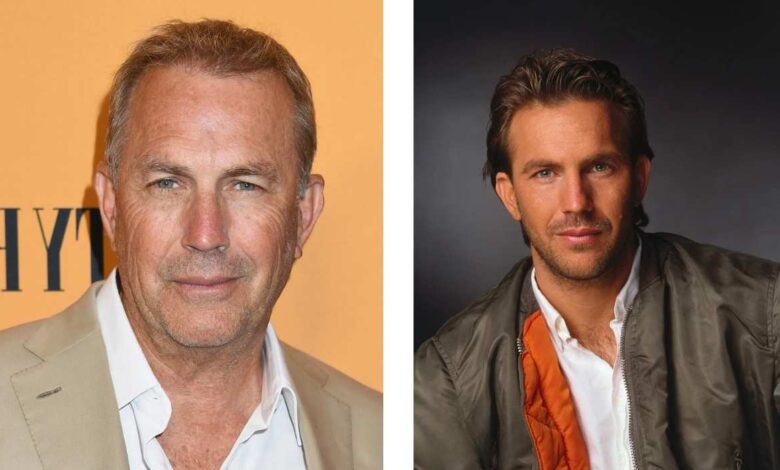
Kevin Costner stands as a monumental figure in American cinema, having carved out a legacy defined by versatility, directorial brilliance, and a rugged, authentic screen presence. Over the course of his extensive career, he has transitioned seamlessly from a promising young actor into one of the most recognizable icons in Hollywood history. His work often explores themes of individual resilience, historical weight, and the complexities of the American experience, which have resonated with audiences across several decades. Through his dedication to the craft, Kevin Costner has solidified his position as both a major leading man and a visionary filmmaker.
Quick Bio
| Feature | Details |
| Full Name | Kevin Michael Costner |
| Date of Birth | January 18, 1955 |
| Birthplace | Lynwood, California, U.S. |
| Occupation | Actor, Director, Producer, Musician |
| Key Works | Dances with Wolves, Yellowstone, The Bodyguard |
| Notable Awards | Two Academy Awards, Three Golden Globes, Emmy Award |
Early Life and Background
Born in Lynwood, California, Kevin Costner experienced a nomadic childhood due to his father’s career with the local electric company. This constant movement shaped his ability to adapt to new environments, even as he struggled with shyness and self-doubt during his formative years. Despite his internal challenges, he excelled in sports and found an outlet for his creative energy in his school choir. His academic journey took him to California State University, Fullerton, where he studied marketing and finance. It was during these college years that he first discovered a profound interest in acting, setting the stage for his future.
Discovering the Passion for Acting

The path to stardom for Kevin Costner was not immediate, as he spent several years honing his craft while working various odd jobs. A serendipitous encounter with actor Richard Burton on a flight proved to be the turning point that validated his ambition to pursue acting professionally. Embracing this advice, he committed himself to rigorous training and began navigating the competitive landscape of the film industry. His early roles were modest, but they provided the necessary experience to build his confidence. He remained persistent, driven by a quiet determination to master the nuances of performance that would later define his iconic career.
Professional Career Breakthrough
The 1980s served as a crucial era for the actor, as he began to secure more prominent roles that showcased his growing range. His breakout moment arrived when he was cast in high-profile projects that demanded both physical presence and emotional depth. During this decade, he caught the attention of influential directors who recognized his unique ability to embody the “everyman” hero. By consistently delivering compelling performances, he successfully transitioned from relative anonymity to becoming a sought-after talent in Hollywood. His ability to connect with audiences made him a reliable leading man capable of anchoring major motion pictures with ease.
Starring in The Untouchables
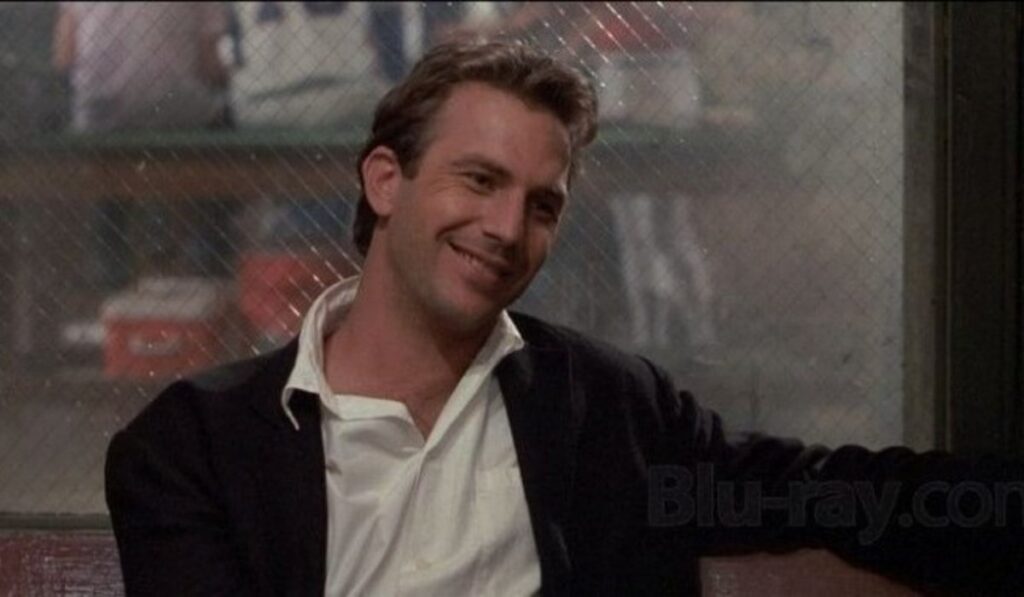
In 1987, Kevin Costner achieved true star status with his role as federal agent Eliot Ness in the acclaimed crime drama The Untouchables. Directed by Brian De Palma, the film pitted him against heavyweights like Sean Connery and Robert De Niro, a challenge he met with a balanced and determined performance. His portrayal of the principled lawman solidified his reputation as a formidable lead actor capable of carrying massive, big-budget productions. The film’s immense critical and commercial success elevated him to the top tier of Hollywood royalty, ensuring his future as a household name in the global entertainment market.
Mastering the Sports Drama Genre
Following his initial successes, he found a comfortable niche in the genre of sports dramas, which perfectly suited his wholesome and determined screen persona. In films like Bull Durham and Field of Dreams, he portrayed characters who were searching for meaning and redemption through the lens of athletics. These projects are now considered classics, largely due to his ability to blend charm with a sense of melancholic longing. By portraying these complex, grounded characters, he helped redefine the American sports hero, turning simple stories into deeply moving examinations of passion, legacy, and the pursuit of dreams.
Directing the Epic Dances with Wolves
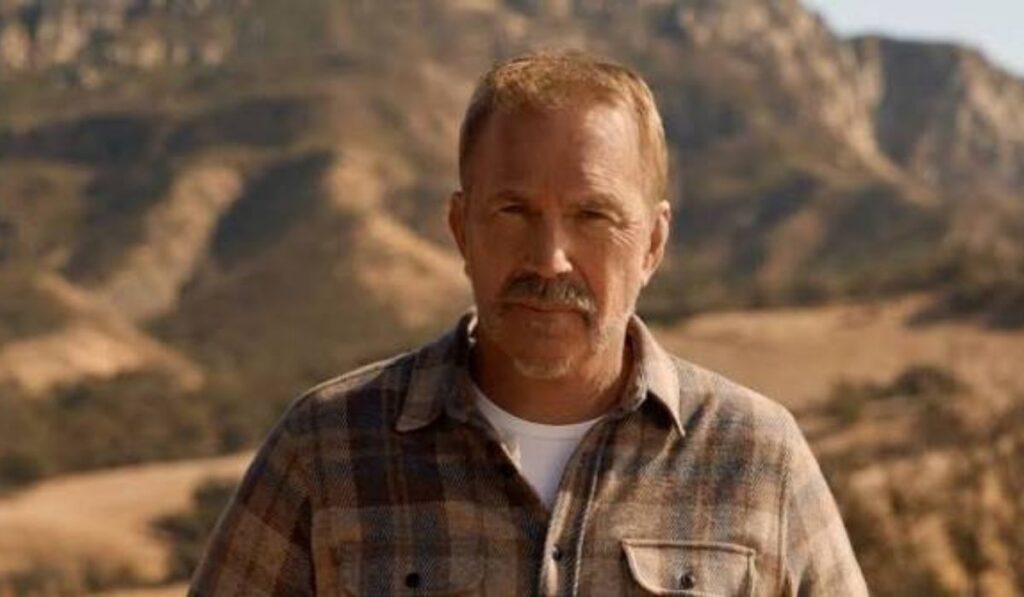
The year 1990 marked a significant professional milestone when he directed, produced, and starred in the Western epic Dances with Wolves. This ambitious project, which explored the intersections of frontier life and Indigenous culture, was a massive undertaking that critics initially doubted. However, the film became a cultural phenomenon, winning seven Academy Awards, including Best Picture and Best Director. This triumph proved that his vision extended far beyond acting, establishing him as a creative force capable of managing massive-scale storytelling. His work on this film remains a definitive chapter in his storied career, showcasing his profound directorial skill.
Continuing Success with The Bodyguard
In 1992, he starred alongside Whitney Houston in the romantic thriller The Bodyguard, which became one of the most successful films of the decade. His portrayal of the stoic and protective Frank Farmer resonated deeply with international audiences, further cementing his status as a global movie star. The film’s soundtrack and iconic scenes created a lasting pop-culture legacy that persists to this day. This role successfully demonstrated his ability to pivot between gritty historical epics and modern, high-stakes dramas. His chemistry with his co-stars in this project highlighted his knack for collaborative storytelling and emotional resonance.
Exploring Political Thrillers
Throughout the early 1990s, he delved into complex political thrillers, most notably the controversial and stylized masterpiece JFK. By taking on the role of Jim Garrison, he showcased his ability to handle intellectually demanding material and dense, historically significant narratives. His performance was praised for its intensity and passion, reinforcing his image as an actor who took his roles seriously and championed stories that challenged mainstream perspectives. This period of his career highlighted his versatility as he moved away from the more traditional “hero” archetypes to explore darker, more morally ambiguous landscapes within the complex framework of American political history.
The Challenges of Ambition
Like many long-term stars, he faced periods where his creative ambitions encountered significant box-office hurdles. Films like Waterworld and The Postman, which he also directed, were ambitious in scope but struggled to meet the high financial expectations of the era. Despite the mixed reception at the time, these projects are often discussed as manifestations of his daring and experimental nature. His willingness to take risks, even when they did not achieve traditional commercial success, is a testament to his commitment to large-scale storytelling. This period ultimately taught him valuable lessons about balancing artistic vision with industry reality.
A Return to Character-Driven Roles
As he entered the 2000s, he successfully transitioned toward more character-driven dramas that emphasized maturity and depth. Films such as The Upside of Anger and Mr. Brooks showcased a more weathered and complex side of his screen persona, which many critics found refreshing. These roles proved that he could effectively evolve alongside his audience, shifting his focus from the youthful romantic lead to the established, multifaceted patriarch. This pivot was crucial in maintaining his relevance, as he demonstrated a continued willingness to explore the intricacies of human behavior through subtle and nuanced dramatic performances.
Success in Television Miniseries
His move to the small screen with the highly acclaimed miniseries Hatfields & McCoys was a major victory that earned him an Emmy Award. This project proved that the high-quality storytelling he was famous for in film translated perfectly to the television format. By playing the patriarch of a feuding family, he reminded viewers of his power as a commanding presence in period dramas. This transition marked a new chapter in his career, highlighting his ability to thrive in the golden age of television. His success in this medium paved the way for his later, even more impactful work in modern series.
The Yellowstone Phenomenon
His portrayal of John Dutton in the hit series Yellowstone became one of the defining roles of his later career. As the head of a sprawling Montana ranching family, he embodied the quintessential Western icon for a modern audience. The show’s massive popularity brought him to a new generation of viewers while satisfying longtime fans of his Western-themed work. Even as he eventually departed the series, his influence on its success and its exploration of land stewardship and family legacy remained undeniable. Yellowstone became a cultural touchstone that reinforced his standing as a master of the contemporary Western genre.
Contributing to Science Fiction and Biopics
He has never been afraid to dip his toes into varied genres, including science fiction and biographical films. His role as Jonathan Kent in Man of Steel introduced him to the massive superhero franchise audience, showing his adaptability. Simultaneously, his appearance in the acclaimed drama Hidden Figures demonstrated his talent for supporting strong ensemble casts in historically significant narratives. By appearing in such diverse projects, he has kept his career dynamic and unpredictable. This willingness to work across genres ensures that his filmography remains varied and appealing to a wide spectrum of cinema enthusiasts.
Musical Pursuits and Modern West
Outside of his cinematic endeavors, he has a passionate commitment to music as the lead singer of his band, Modern West. Through the years, the group has released multiple albums that blend country, rock, and his signature storytelling style. This musical career serves as another outlet for his creative expression and provides a more personal connection with his audience. His tours and live performances have shown that his charisma is not limited to the silver screen. For many, this artistic side project illustrates the depth and genuine nature of his creative personality beyond his Hollywood persona.
Recent Projects and Legacy
In recent years, he has continued to push the boundaries of filmmaking with projects like his sweeping Western epic, Horizon: An American Saga. This endeavor signals his return to the themes and structural grandeur that first made him a household name. By acting as the driving force behind such massive projects, he ensures that his legacy as a filmmaker is secured for the next generation. His commitment to authenticity and place-based storytelling continues to earn him industry honors and critical acclaim. He remains a vital figure who is constantly refreshing his footprint in the industry.
Recognition and Awards
Throughout his extensive career, he has garnered numerous prestigious accolades, including multiple Academy Awards and Golden Globes. These honors reflect the high esteem in which he is held by both his peers and the critical community. Beyond the statues, his legacy is defined by his ability to consistently elevate the material he chooses to work on. He is recognized not just for the awards he won, but for the standards he set for acting and directing. These contributions have cemented his status as a permanent fixture in the annals of American film and television history.
The Future of His Craft
As he continues to develop new stories and invest in meaningful projects, the future looks bright for his ongoing contributions to media. He remains deeply engaged in advocating for the causes he cares about, such as conservation and the protection of public lands. This dedication to real-world issues mirrors the themes often present in his work, highlighting a consistent thread of integrity throughout his life. Whether he is in front of the camera or behind the scenes, he remains a figure who commands respect. Fans can expect him to continue to challenge and inspire audiences for many years to come.
Lasting Cultural Impact
The lasting cultural impact of his work cannot be overstated, as his films continue to be studied and enjoyed by millions. From the iconic imagery of his Westerns to the emotional weight of his dramas, his work has woven itself into the fabric of American pop culture. He stands as a reminder of the enduring power of classic storytelling and the importance of personal conviction in the creative process. As new streaming platforms bring his classic films to younger audiences, his influence is only continuing to grow. He is truly a definitive icon whose career serves as a roadmap for aspiring filmmakers.
FAQs
- What is the most famous movie directed by Kevin Costner?
- The most famous movie directed by him is the Western epic Dances with Wolves.
- Did Kevin Costner win an Academy Award for his work?
- Yes, he won two Academy Awards for his work on the film Dances with Wolves.
- What is the name of his popular Western television series?
- He is widely recognized for his role as John Dutton in the television series Yellowstone.
- Is Kevin Costner a musician?
- He is the lead vocalist of the country-rock band titled Kevin Costner & Modern West.
- Where can I find more information about his filmography?
- You can learn more about his professional milestones by visiting his Wikipedia page.