Managing hair loss is a journey that often requires a combination of medical intervention, lifestyle adjustments, and consistent scalp care. Whether you are facing thinning due to genetics, stress, or nutritional deficiencies, the key is to address the underlying cause early. While hair loss can feel overwhelming, advancements in dermatology and holistic health offer numerous effective ways to protect your follicles and encourage regrowth. By understanding the science behind your hair growth cycle and adopting a proactive routine, you can take control of your hair health, minimize further shedding, and support the long-term vitality of your scalp.
| Quick Bio: Managing Hair Loss |
| Core Goal: To identify the root cause of shedding and implement a multi-faceted treatment plan. |
| Primary Methods: FDA-approved medications (minoxidil/finasteride), nutritional support, and scalp care. |
| Common Triggers: Genetics, stress, hormonal shifts, and nutrient deficiencies. |
| Success Factors: Early intervention, consistent routine, and patience (results often take 3–6 months). |
Understanding the Hair Growth Cycle
Hair growth is a dynamic process involving three phases: anagen (growth), catagen (transition), and telogen (resting). Managing hair loss effectively requires protecting the anagen phase, where hair actively grows. Factors such as severe stress, surgery, or illness can prematurely push follicles into the telogen phase, leading to temporary shedding known as telogen effluvium. Understanding that each strand follows its own timeline helps you manage expectations during treatment. Recognizing this cycle is the first step in differentiating between normal daily shedding—typically 50 to 100 hairs—and actual thinning that requires a more focused, long-term intervention strategy.
Identifying Your Specific Type of Hair Loss
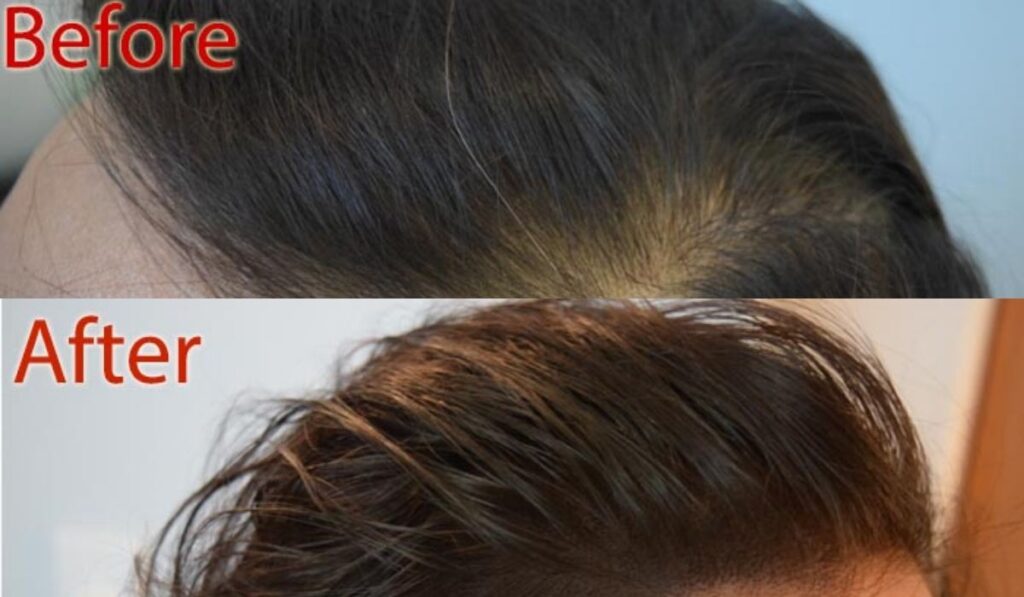
Before treating your hair, you must diagnose the cause. Androgenetic alopecia, or pattern baldness, is the most common form, typically linked to genetics and DHT sensitivity. Other types, such as alopecia areata, involve immune system reactions, while traction alopecia stems from physical tension like tight hairstyles. Because treatments vary significantly, consulting a dermatologist is essential for an accurate diagnosis. A professional can determine if your loss is hormonal, autoimmune, or lifestyle-driven. Misdiagnosing the cause can lead to ineffective treatments, so professional guidance is always recommended as the foundation for any successful hair regrowth journey.
The Role of Nutritional Support
Your hair’s health is a direct reflection of your internal well-being. A diet lacking in essential building blocks like protein—specifically keratin—can lead to weaker, more brittle hair. Incorporating iron, zinc, vitamin D, and B vitamins, such as biotin and folate, provides the necessary fuel for follicle repair. Foods like eggs, fatty fish, spinach, and nuts are excellent sources of these nutrients. However, rely on whole foods before reaching for supplements. If you suspect a deficiency, blood work can clarify your needs, ensuring you don’t over-supplement, which can sometimes be counterproductive to your hair growth goals.
The Power of Topical Minoxidil
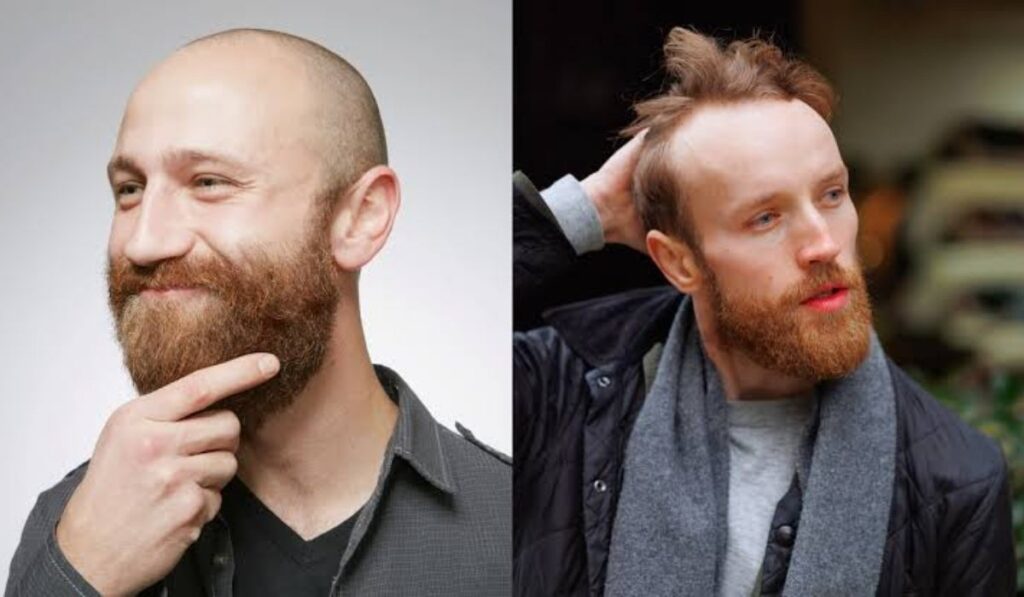
Minoxidil remains a gold standard for managing hair loss. Available over-the-counter, this topical solution works by increasing blood flow to the hair follicles and extending the growth phase of your hair. Consistency is paramount; you must apply it daily for at least three to six months to see visible results. While it is highly effective for androgenetic alopecia, it may not work for every type of thinning. Many users experience a brief period of increased shedding when starting, which is a sign the treatment is working to push out old, resting hairs to make room for new growth.
Prescription Medications for Hair Loss
For many, particularly men experiencing pattern thinning, prescription medications like finasteride are effective. Finasteride works by inhibiting the production of dihydrotestosterone (DHT), the hormone primarily responsible for follicle miniaturization. By lowering scalp DHT levels, the medication helps slow further loss and, for some, promotes significant regrowth. Because this is a systemic medication, it requires a doctor’s supervision to monitor potential side effects. It is a powerful tool in the fight against genetic hair loss, offering a way to stabilize hair count when over-the-counter solutions are not enough to meet your personal needs.
Gentle Scalp Care and Washing
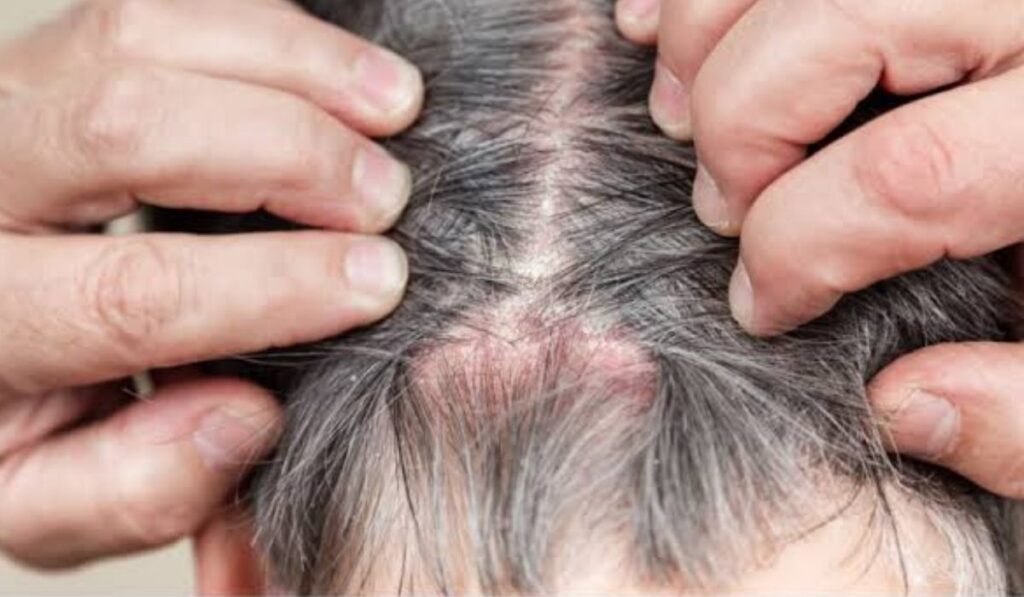
Daily scalp hygiene is vital for healthy hair. Contrary to the myth that washing leads to more shedding, regular cleansing with a mild shampoo keeps the scalp free of excess oil and buildup that can clog follicles. Use gentle, sulfate-free shampoos to avoid drying out your hair strands. When washing, treat your scalp with care—massage it gently rather than scrubbing harshly. If you have a sensitive scalp, pay attention to the ingredients in your products, as some chemicals can trigger inflammation, which is known to accelerate hair loss and hinder the natural growth process.
The Benefits of Regular Scalp Massage
Scalp massage is a simple, non-invasive practice that can improve blood circulation to your hair follicles. By dedicating a few minutes daily to massaging your scalp, you help deliver more oxygen and nutrients to the roots. It is also an effective way to lower stress levels, which reduces cortisol—a hormone linked to hair shedding. Whether you use your fingertips or a specialized silicone brush, the key is consistency. While it won’t regrow hair on its own in cases of advanced baldness, it provides a supportive environment that enhances the effectiveness of other treatments.
Limiting Heat and Chemical Damage
Your styling habits can play a significant role in managing hair loss. Frequent use of blow dryers, straighteners, and curling irons can weaken the hair shaft, leading to breakage that mimics true hair loss. Chemical treatments like perms, bleaches, and harsh dyes further strip hair of its structural integrity. If you want to protect your hair, minimize these styling methods whenever possible and always use heat protectant sprays. Choosing low-manipulation styles and allowing your hair to air-dry reduces unnecessary stress on the follicles, helping you maintain the length and density you have worked so hard to grow.
Avoiding Tight Hairstyles
Traction alopecia is a form of hair loss caused by constant pulling on the hair roots, often from tight ponytails, braids, or buns. To prevent this, rotate your hairstyles and ensure they are not pulled too tautly. Using fabric-covered hair ties instead of rubber bands can reduce friction and breakage. If you notice tenderness or redness along your hairline, it is a clear sign that your current styling method is too aggressive. Making these small adjustments can prevent permanent damage to your follicles, ensuring that you don’t inadvertently contribute to the thinning you are trying to treat.
Exploring Laser Light Therapy
Low-level laser therapy (LLLT) is an increasingly popular non-surgical option for managing hair loss. Using red light wavelengths, these devices stimulate epidermal stem cells and encourage follicle activity. Available in combs, caps, and helmets, laser therapy is a convenient home treatment that is safe and generally painless. While it requires a time commitment and regular use to see results, studies indicate it can help improve hair density and thickness. It is particularly useful for those who prefer to avoid medications or who want to add an extra layer of stimulation to their existing treatment regimen.
The Role of Platelet-Rich Plasma (PRP)
PRP therapy is an advanced clinical procedure that uses your own blood to promote hair regrowth. By isolating platelets—which are rich in growth factors—and injecting them into the scalp, doctors can stimulate dormant follicles. This treatment is often used for thinning hair and has shown promising results in clinical studies. Since it uses your own biological material, the risk of allergic reaction is low. However, it can be a significant financial investment, as it typically requires multiple sessions over several months followed by annual maintenance appointments to keep the hair growth cycle stimulated.
Managing Stress and Cortisol
Chronic stress is a major contributor to hair loss, as it disrupts the natural growth cycle. Incorporating stress-reduction techniques like yoga, meditation, or deep breathing exercises into your lifestyle can help balance your hormones. Physical exercise also supports healthy circulation, ensuring that your body and hair receive the necessary oxygen. By keeping your cortisol levels in check, you prevent the physiological “shock” that often triggers telogen effluvium. Managing your mental well-being is not just good for your mood; it is a fundamental aspect of maintaining healthy, resilient hair throughout the various stages of your life.
The Importance of Regular Trims
While trimming your hair does not technically make it grow faster, it is crucial for managing hair loss appearance. Regular trims prevent split ends from traveling up the hair shaft, which causes breakage. When you have thin or thinning hair, keeping the ends healthy makes the hair look fuller and more uniform. Aim for a trim every 8 to 12 weeks to keep your ends fresh. This simple habit helps you avoid the “wispy” look often associated with thinning hair, allowing your hair to maintain a healthy, thick appearance even as you work on regrowth.
Natural Oils for Scalp Health
Essential oils like rosemary, peppermint, and pumpkin seed have gained attention for their potential to support hair growth. Rosemary oil, in particular, has been compared to minoxidil in some studies for its ability to improve circulation. When using these oils, always dilute them with a carrier oil like jojoba or coconut oil to prevent scalp irritation. Applying these mixtures during a massage can provide a relaxing, natural way to support follicle health. While natural remedies may not be a cure-all, they serve as excellent supplemental care to keep your scalp conditioned and healthy.
Protecting Your Hair from Environmental Damage
Sun exposure, pollution, and chlorine can damage your hair, making it prone to dryness and breakage. Wearing a hat or using a UV-protective hair serum can shield your strands from harsh environmental factors. If you swim frequently, rinse your hair with fresh water before and after entering the pool to prevent chlorine absorption. Treating your hair with the same care you give your skin can prevent unnecessary environmental stress. Protecting your hair in this way preserves the density and strength of your existing strands, which is especially important if you are already experiencing thinning.
Monitoring Your Progress
Because managing hair loss is a marathon, not a sprint, it is important to document your progress. Take photos of your scalp in the same lighting every month to track changes in density and coverage. Keeping a log of your products, diet changes, and treatments can help you identify what is working and what isn’t. Be patient; it often takes months to see a significant difference. If you don’t see results after six months, revisit your dermatologist to adjust your plan. Staying objective and informed keeps you motivated and ensures your efforts are focused on the most effective path.
Choosing the Right Hair Products
Not all products are created equal when you are trying to regrow your hair. Look for thickening shampoos that add body to the hair shaft without weighing it down. Avoid products heavy in silicones, which can build up on the scalp and stifle follicles. If you are experiencing thinning, lightweight volumizing sprays or mousses can help improve the appearance of thickness while you work on internal and medical solutions. Always read labels to ensure you aren’t using harsh chemicals that could irritate your scalp and inadvertently contribute to further hair loss or inflammation.
Working with a Professional
Self-treating can only take you so far, especially if your hair loss has an underlying medical cause. A dermatologist or a trichologist can provide specialized insights into the type of shedding you are experiencing. They can offer prescription-strength treatments, biopsies if needed, and expert monitoring of your progress. Relying on their expertise ensures you are not wasting time and money on unproven remedies. By partnering with a healthcare professional, you gain access to safe, science-backed solutions that are tailored to your specific biology, giving you the best chance at successful long-term hair recovery.
The Impact of Lifestyle Consistency
Consistency is the most important factor in managing hair loss. Whether it is applying your medication, maintaining a nutritious diet, or being gentle during styling, your daily habits determine the outcome. It is easy to feel frustrated during the slow growth phase, but stopping treatments abruptly can lead to the loss of any progress you have made. Treat your hair care like any other health regimen—dedication is required for success. By making these habits a non-negotiable part of your daily routine, you set the stage for sustained hair health and improved follicle resilience over time.
Embracing a Holistic Perspective
Finally, remember that your worth is not tied to your hair density. While taking steps to manage hair loss is empowering, it is equally important to maintain a healthy perspective on your journey. Focus on the aspects you can control—nutrition, scalp hygiene, and professional care—and try to reduce the anxiety surrounding the process. Confidence comes from taking action, but it also comes from self-acceptance. By combining a diligent, science-based approach with a balanced mindset, you ensure that you are caring for your overall well-being as you work toward achieving the healthiest hair possible.
- What is the most effective way to start managing hair loss?
- Start by consulting a dermatologist to identify the underlying cause, then combine consistent scalp care with proven treatments like minoxidil or prescription options.
- How long does it typically take to see results from hair loss treatments?
- Most medical treatments require consistent daily use for at least 3 to 6 months before visible improvement in hair density or growth occurs.
- Can diet really help stop hair loss?
- Yes, ensuring you have adequate protein, iron, zinc, and vitamins supports follicle health, though diet is most effective when paired with other treatments if the loss is genetic.
- Is it safe to wash my hair every day if I am losing hair?
- Yes, washing regularly with a mild, sulfate-free shampoo is beneficial because it keeps the scalp clean and prevents the buildup that can irritate follicles.
- Do natural remedies actually work for regrowth?
- Some natural options like scalp massage and rosemary oil may support circulation and scalp health, but they are generally more effective as supplemental care rather than replacements for medical treatment.