The Ultimate Guide to Hormonal Health: Balancing Your Internal Messengers for Peak Vitality and Long-Term Wellness


Hormonal health is the cornerstone of your body’s ability to function at its absolute best. Hormones act as essential chemical messengers, traveling through your bloodstream to regulate nearly every biological process, including metabolism, growth, mood, and reproductive function. When these delicate signals are in perfect harmony, you experience optimal energy, emotional stability, and physical resilience. However, life’s many stressors, combined with modern lifestyle choices, can often disrupt this balance. By understanding how to support your endocrine system, you can effectively manage your wellbeing, prevent chronic issues, and ensure that your body’s complex internal communication network remains strong for years to come.
| Quick Bio: Hormonal Health |
| Core Definition: The state of having balanced chemical messengers that regulate body functions. |
| Primary Goal: Maintain equilibrium to support metabolism, mood, reproduction, and energy. |
| Key Influencers: Stress, diet, sleep patterns, exercise, and environmental chemical exposure. |
| Impact: Proper balance improves quality of life; imbalances cause fatigue, mood swings, and weight changes. |
The Role of Hormones in the Human Body
Hormones are the body’s master regulators. Produced by glands within the endocrine system, they influence how we grow, how we manage energy, and how we respond to the world around us. From the insulin that manages blood sugar to the cortisol that dictates our stress response, these chemicals are constantly working to maintain internal stability. When hormonal health is prioritized, your organ systems communicate efficiently, allowing for seamless transitions between daily activities. Understanding this foundational role is the first step toward appreciating why even minor fluctuations in hormone levels can have such a profound impact on your daily experience.
Identifying Signs of Hormonal Imbalance
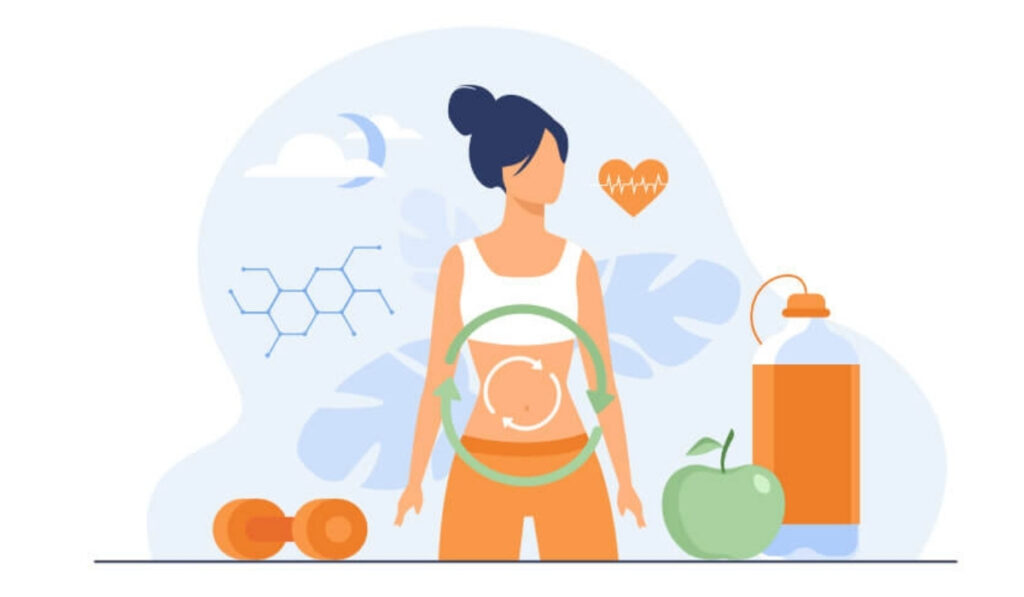
Recognizing a potential hormonal imbalance early can save you from long-term health struggles. Common indicators include persistent fatigue, unexplained weight gain or loss, and chronic mood swings. You might also notice physical changes like brittle hair, dry skin, or irregular menstrual cycles in those who menstruate. Because hormones control everything from your metabolism to your sleep-wake cycle, symptoms are often wide-ranging and can affect almost any part of your body. If you feel like your “normal” self has disappeared, it is often a sign that your endocrine messengers are struggling to maintain the necessary, delicate internal balance.
The Impact of Chronic Stress
Chronic stress is perhaps the most significant modern threat to hormonal health. When you are constantly under pressure, your adrenal glands pump out excessive cortisol, the body’s primary stress hormone. Prolonged elevation of cortisol doesn’t just make you feel anxious; it actually suppresses the production of other vital hormones, including those required for reproduction and metabolic regulation. Learning to manage stress through mindfulness, yoga, or simple breathing exercises is not just for mental relaxation—it is a physiological requirement for keeping your endocrine system functioning correctly and preventing the cascade of health issues associated with long-term cortisol dominance.
Nutrition and Its Effect on Hormonal Balance
What you eat provides the building blocks for every hormone in your body. Hormonal health relies heavily on a diet rich in healthy fats, high-quality proteins, and fiber. For example, essential fatty acids are necessary for the synthesis of sex hormones, while adequate protein supports the production of growth hormones. Conversely, a diet high in processed sugars can spike insulin levels, leading to long-term resistance and inflammation. By choosing nutrient-dense whole foods over refined carbohydrates, you provide your glands with the raw materials they need to produce hormones efficiently, keeping your metabolism and energy levels stable throughout the day.
Importance of Quality Sleep
Sleep is the time when your body performs critical maintenance and hormone regulation. During deep sleep, the body releases growth hormone and regulates melatonin, which is essential for maintaining your internal circadian rhythm. When you are sleep-deprived, these processes are interrupted, often leading to increased hunger, irritability, and poor focus the next day. Consistent, uninterrupted sleep is a non-negotiable pillar of hormonal health. Establishing a “sleep hygiene” routine—such as limiting screen time before bed and keeping your bedroom cool and dark—can significantly improve your ability to regulate these vital hormones naturally every single night.
Physical Activity and Hormone Regulation
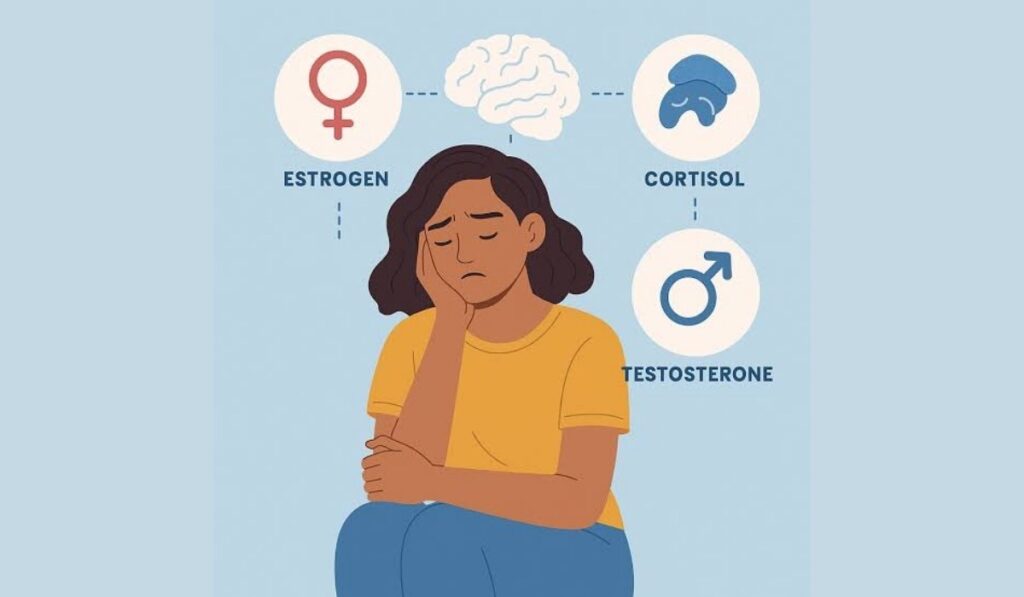
Regular physical activity is a powerful tool for supporting hormonal health. Aerobic exercise, such as walking or cycling, helps improve insulin sensitivity, making it easier for your body to manage blood sugar. Meanwhile, strength training can stimulate the production of testosterone and growth hormones, which are essential for muscle maintenance and bone density as we age. However, balance is key; while moderate activity is restorative, excessive, high-intensity exercise without adequate recovery can actually increase stress hormones. The goal is to find a sustainable movement routine that challenges your body without pushing your endocrine system into a state of exhaustion.
Environmental Toxins and Endocrine Disruptors
Our modern environment is filled with endocrine-disrupting chemicals (EDCs) that can mimic or interfere with your body’s natural messengers. Found in everything from plastic food containers and pesticides to certain personal care products, these toxins can lead to hormonal health issues by tricking your system. To protect your internal balance, aim to reduce exposure by choosing glass containers, opting for organic produce when possible, and switching to natural cosmetics. By minimizing contact with these hidden disruptors, you create a cleaner environment for your glands to operate, effectively shielding your hormonal system from unnecessary, artificial interference in your daily life.
The Gut-Hormone Connection
Your gut microbiome plays a much larger role in hormonal health than most people realize. The gut is responsible for metabolizing and detoxifying hormones like estrogen. If your gut health is compromised due to poor diet or antibiotic use, this detoxification process can become sluggish, potentially leading to hormone imbalances. Supporting your gut with prebiotic and probiotic-rich foods ensures that your body can effectively process and eliminate used hormones. A healthy gut environment is truly an essential foundation for the rest of your endocrine system, helping to prevent the systemic issues that often stem from poor digestion and absorption.
Hormone Fluctuations Across Life Stages
Hormonal health is not static; it naturally shifts throughout different life stages. From the rapid growth during puberty to the complex transitions of pregnancy and the hormonal changes during menopause, your body is constantly adapting. These are normal biological events, but they require extra care to manage effectively. Understanding these natural cycles allows you to support your body with the right nutrition and rest. Whether it is managing the transition into perimenopause or navigating the hormonal surges of adolescence, being proactive about your health during these times helps minimize discomfort and keeps your long-term wellness on track.
The Role of Essential Minerals and Vitamins
Specific vitamins and minerals are critical for hormone synthesis and regulation. Vitamin D, for example, functions almost like a hormone itself and is essential for reproductive and bone health. Magnesium helps regulate the stress response, while zinc is vital for testosterone production and overall immune function. Many people suffer from sub-clinical deficiencies that go unnoticed until they manifest as hormonal health issues. Integrating a variety of whole foods—like leafy greens, nuts, seeds, and oily fish—ensures you get these micronutrients naturally. If you suspect a deficiency, professional blood testing can help you address specific gaps safely and effectively.
Managing Insulin and Blood Sugar
Insulin is perhaps the most influential hormone regarding your daily energy and metabolic health. When you consume high-sugar or highly processed foods, your body experiences spikes in blood sugar, forcing the pancreas to work overtime to produce insulin. Over time, this leads to insulin resistance, a condition that disrupts almost every other hormonal process in the body. Keeping insulin levels stable is key to maintaining hormonal health. By prioritizing meals that combine protein, healthy fats, and fiber, you prevent those damaging blood sugar spikes and keep your internal chemistry in a state of stable, sustainable balance.
The Influence of Alcohol and Caffeine
While they are part of many daily routines, alcohol and caffeine can significantly impact your hormonal health. Excessive caffeine consumption can overstimulate the adrenal glands, leading to an overproduction of cortisol and disrupting your sleep. Similarly, alcohol affects the liver’s ability to process and metabolize hormones, which can lead to imbalances in estrogen and testosterone. Moderation is essential for maintaining endocrine harmony. Being mindful of how these substances affect your energy and mood allows you to make adjustments that keep your hormones functioning optimally without the unnecessary interference of stimulants or liver-burdening substances.
Seeking Professional Guidance
If you are consistently experiencing symptoms of an imbalance, seeking professional medical guidance is a proactive step toward better hormonal health. Blood tests, saliva panels, and comprehensive medical reviews can pinpoint exactly which hormones are outside of their optimal ranges. Your doctor can help distinguish between temporary fluctuations and underlying conditions like thyroid disorders, PCOS, or adrenal issues. Do not wait until symptoms become severe to seek help; early diagnosis and personalized treatment—whether through lifestyle changes, supplements, or medical intervention—can provide the clarity and support you need to regain your vitality and long-term health.
The Link Between Mood and Hormones
Hormonal health is deeply intertwined with your mental and emotional state. Hormones like serotonin and dopamine, often called “feel-good” chemicals, are regulated by the endocrine system. When your hormones are balanced, your brain-body communication remains clear, fostering emotional stability and resilience. Conversely, imbalances often manifest as anxiety, irritability, or depression. Recognizing that your mood is not just “in your head” but also a reflection of your physical hormonal state can be a powerful realization. Prioritizing hormonal health is therefore a vital strategy for anyone looking to improve their mental well-being and maintain a consistently positive outlook on life.
Importance of Regular Health Check-ups
Routine screenings are vital for maintaining long-term hormonal health. As we age, our hormone levels naturally shift, and regular check-ups with your healthcare provider ensure that you stay ahead of potential issues. Blood tests for thyroid function, glucose levels, and essential vitamins can catch imbalances long before they lead to chronic diseases like diabetes or cardiovascular issues. By making hormonal health a standard part of your yearly physical, you establish a baseline that helps you and your doctor make informed decisions about your wellness, ensuring your body continues to function at its peak as you move through different life stages.
Supporting Bone and Cardiovascular Health
Many people associate hormones only with reproduction, but they are equally critical for the strength of your bones and heart. Estrogen, for instance, plays a major role in bone density and cardiovascular integrity. When levels drop, such as during menopause, the risk of osteoporosis and heart-related concerns can increase significantly. Maintaining hormonal health through healthy lifestyle habits—like weight-bearing exercise and a nutrient-rich diet—is a proactive way to protect these systems. By keeping your endocrine system balanced, you are essentially investing in the long-term structural and cardiovascular health of your entire body, supporting mobility and strength for years to come.
Developing a Sustainable Daily Routine
The most effective way to improve your hormonal health is to make sustainable, daily habits. It is not about radical changes, but rather consistent, small improvements to your sleep, diet, and stress management. By creating a routine that supports your body’s natural circadian rhythm, you provide the stability your glands need to function reliably. Start with one area, such as improving sleep hygiene or increasing vegetable intake, and build from there. Consistency is what leads to lasting change, turning hormonal balance from a goal into a natural, integrated part of your healthy lifestyle.
Recognizing Your Body’s Unique Needs
Every individual has a unique hormonal blueprint, meaning what works for one person may not be the answer for another. Factors like genetics, life history, and even your current environment influence how your hormones behave. This is why listening to your own body is so important. If you feel tired, irritable, or “off” for an extended period, treat those feelings as valuable feedback from your endocrine system. By paying attention to these signals and adjusting your lifestyle accordingly, you become the best advocate for your own hormonal health and overall long-term wellness.
Conclusion: Empowering Your Future Wellness
Ultimately, hormonal health is a journey toward deeper self-awareness and better physical performance. By taking control of the factors that influence your endocrine system—nutrition, stress, movement, and environment—you are not just “fixing” a symptom; you are optimizing your body’s potential. Empowerment comes from understanding that your well-being is within your influence. As you continue to refine your habits, you will likely find that not only does your physical health improve, but your mental clarity and emotional stability do as well. Start today by honoring your body’s need for balance, and enjoy the lasting benefits of a truly healthy life.
- What are the most common signs that my hormonal health might be out of balance?
- Common symptoms include persistent fatigue, unexplained weight changes, mood swings, anxiety, hair loss, and irregular menstrual cycles.
- How does stress negatively affect my hormones?
- Chronic stress leads to high cortisol levels, which can suppress other vital hormones and disrupt metabolic and reproductive functions.
- Can dietary changes really help improve hormone balance?
- Yes, a diet rich in healthy fats, fiber, and lean proteins provides the essential building blocks for hormone synthesis and helps stabilize blood sugar.
- Why is sleep so important for regulating my hormones?
- Sleep is the body’s primary time for maintenance and hormone regulation, including the release of growth hormones and the balancing of melatonin.
- Should I see a doctor if I suspect a hormonal imbalance?
- Yes, consulting a healthcare professional is crucial to identify the root cause through blood work and to receive a safe, personalized treatment plan.