The Mae West Iconic Hollywood Sensation and Bold Cinematic Legacy of Screen Legend Mae West

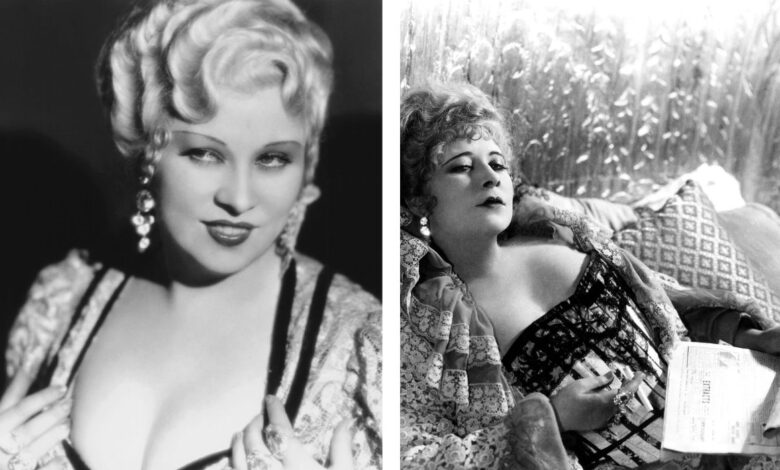
The glamorous landscape of early Hollywood cinema and theatrical censorship battles transformed forever when an outrageously witty playwright and actress stepped onto movie sets, permanently establishing the legendary status of Mae West. Every single generation witnesses the emergence of rare entertainment icons whose razor-sharp double entendres, unapologetic sexuality, and fierce creative control redefine popular culture and construct monumental filmographies out of sheer charismatic genius. Long before her iconic quote-filled performances became recognized symbols of cinematic wit across every corner of the globe, the foundational childhood experiences in Brooklyn and fierce determination of Mae West shaped a remarkable path toward international stardom.
Aspiring screenwriters, passionate movie fans, and film historians constantly study how self-penned dialogue, magnetic stage presence, and deep cultural subversion come together to build timeless cinematic masterpieces. The sheer magnitude of cultural influence achieved by Mae West remains an inspiring testament to artistic endurance, creative brilliance, and the profound impact of bold humor on global audiences. Navigating through the historical milestones of her career reveals an intricate web of dedication, artistic evolution, and unmatched box office triumphs that continue to dominate modern entertainment conversations.
Quick Bio
- Born: August 17, 1893, in Brooklyn, New York, United States
- Died: November 22, 1980, in Los Angeles, California, United States
- Notable Work: She Done Him Wrong, I’m No Angel, My Little Chickadee
- Occupation: Actress, playwright, screenwriter, singer
- Accolades: Hollywood Walk of Fame star, legendary cultural icon status
Early Roots in Brooklyn and Vaudeville Beginnings
Growing up in a bustling urban household in Brooklyn, the foundational childhood experiences of Mae West deeply nurtured an early self-reliance and love for theatrical stage performance. Family encouragement and local amateur talent contests provided an essential internal imaginative space during her formative years in New York. Education played a shifting role as she pursued dancing and acting lessons rather than traditional academic paths. Teachers and theater managers frequently noticed her commanding stage presence, noting that sharp comedic timing came as naturally to her as breathing. These early formative years laid the indispensable groundwork required for future artistic breakthroughs, establishing habits of intense self-direction that Mae West would rely upon throughout life. Understanding these initial chapters offers profound insight into the authentic comedic independence later embedded within her universally beloved screen characters.
Rigorous Training in Writing and Stage Plays
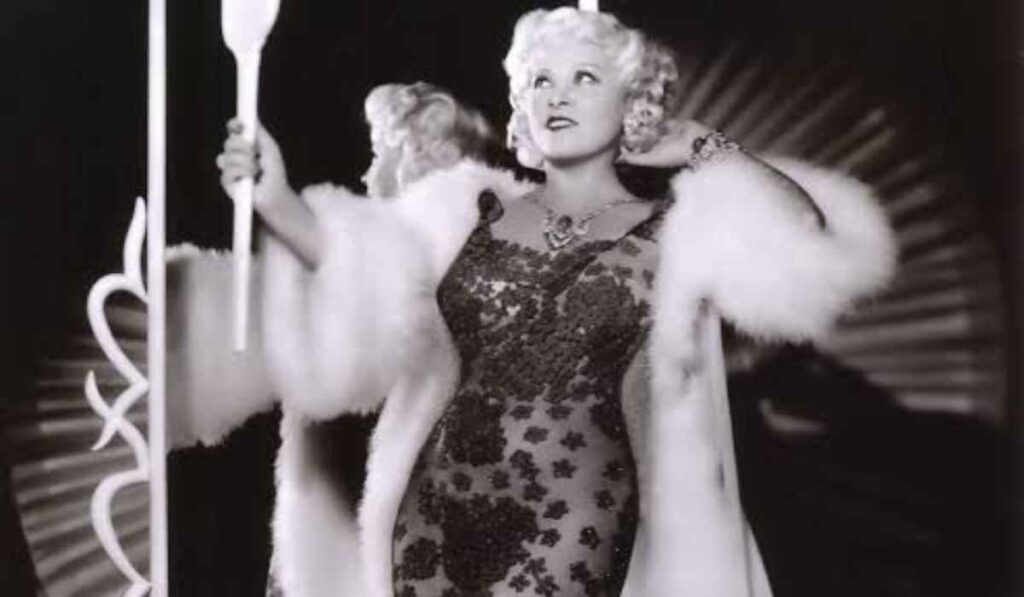
Choosing to pursue professional writing and acting through gritty vaudeville circuits provided Mae West with an opportunity to hone her craft alongside theatrical contemporaries. Vaudeville tour life across America challenged her endurance while demanding stage productions expanded her appreciation for bold comedy and dialogue writing. Although formal academic playwriting credentials were nonexistent at the time, her striking theatrical instinct and natural storytelling talent caught the attention of Broadway producers. New York theater stages became familiar territory as she took on controversial roles in plays she wrote herself. Balancing grueling rehearsal schedules with intensive script editing helped shape the fierce discipline that Mae West brought to early theatrical performances. This crucial transitional phase bridged the gap between a vaudeville performer and a professional playwright capable of commanding any Broadway house.
Transitioning to Broadway Censorship Battles and Film Debuts
Transitioning into independent professional life brought Mae West to the bustling cultural hub of Broadway, where she undertook initial performances in provocative stage productions that frequently attracted legal scrutiny. Employment in self-penned Broadway plays exposed her to censorship mechanics, broadening her understanding of public controversy and instilling a lifelong work ethic. Living in New York presented legal difficulties and daily arrest threats that contrasted sharply with her internal desire for absolute creative freedom. Despite the pressures of morality leagues, her mind constantly drifted back to witty dialogue and character independence. Juggling courtroom battles with theater productions became a daily ritual for Mae West, who refused to let societal censorship extinguish her ultimate ambition. These challenging early years tested her resilience and cemented her unwavering commitment to professional dramatic excellence.
The Fateful Film Breakthrough in Night After Night
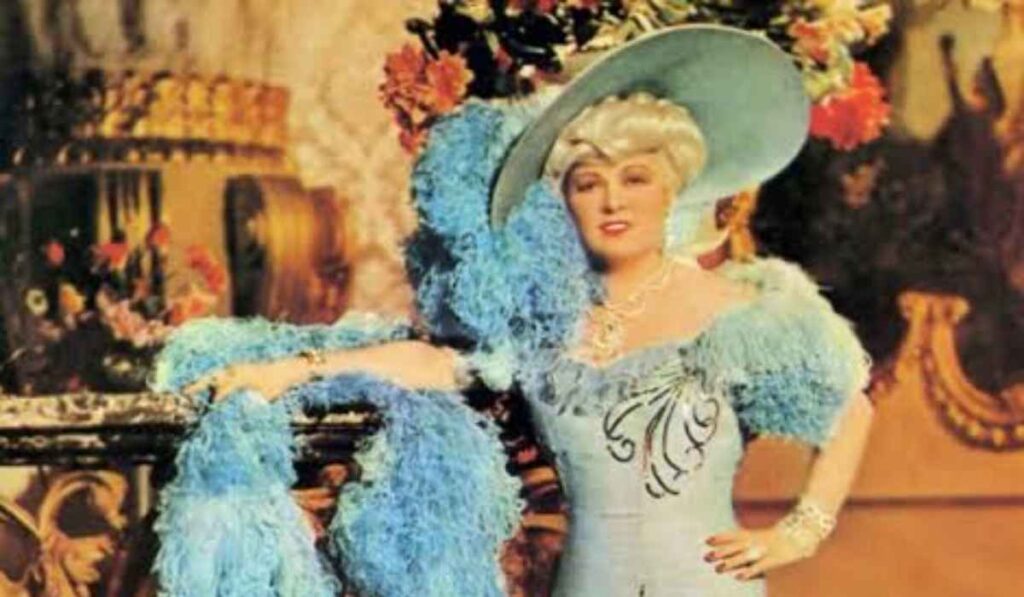
A routine casting call for a Hollywood studio drama completely altered the course of cinematic history when demanding executives selected Mae West for a supporting role that instantly stole the film and launched her movie career. Staring out from Paramount soundstages in dazzling diamond gowns, disparate ideas regarding cinematic glamour coalesced into unforgettable movie moments. Lacking major headlining film experience at that exact moment, Mae West mentally cataloged every comedic nuance required to rewrite her own dialogue and elevate her character. That single-minded dedication to sharp comedic delivery captured lightning in a bottle, providing the structural blueprint for an extraordinary film career. Soundstages quickly filled with laughter and studio executives during every spare minute she could salvage between camera setups. The convergence of raw talent and cinematic circumstance marked the true birth of a cultural icon crafted by Mae West.
Soaring to Global Stardom and Saving Paramount Studios
Seeking creative recognition across international markets, Mae West fought courageously to establish her defining cinematic persona while navigating the sudden explosion of worldwide media attention. Working alongside major studio directors offered an opportunity to secure unprecedented box office success while immersing herself in high-stakes romantic comedies. Mornings and afternoons spent on studio lots gave way to rigorous script writing and wardrobe fittings. During this chapter, she experienced sudden global fame, balancing intense studio control with unyielding dedication to her craft. Life in the public eye brought unexpected turbulence, yet the professional sanctuary found within active film sets remained a steady anchor for Mae West amidst changing Hollywood landscapes. This dramatic chapter added immense financial weight and international recognition to her expanding resume.
Breaking Away from Studio Constraints into Self-Produced Films
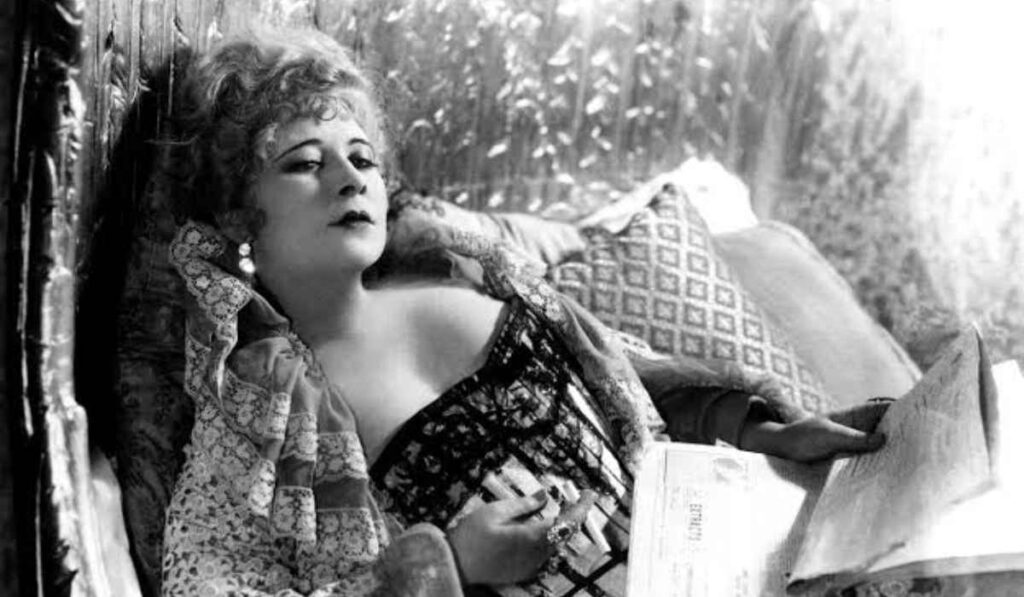
Facing industry expectations as a contract studio actress, Mae West transitioned into independent film production, collaborating with visionary associates to break free from restrictive studio formulas. Surviving strict censorship boards while exploring provocative comedy features, she persevered through demanding production schedules to deliver career-defining box office performances. Filming intense comedic scenes in diverse studio locations became legendary folklore among film historians who trace the depth of her career evolution. Every completed cinematic masterpiece represented an act of supreme triumph against Hollywood studio control, showcasing the unbreakable spirit of Mae West under heavy regulatory scrutiny. Studios offered distribution support, but the heavy lifting of writing and starring in hit films rested entirely on her shoulders. This grueling period of artistic ambition forged the fierce determination that cemented her legendary status.
Conquering Critical Acclaim with She Done Him Wrong
With the historic cinematic adaptation of her play Diamond Lil officially underway, Mae West became the driving force behind a critically acclaimed masterpiece that earned an Academy Award nomination for Best Picture and rescued her studio from bankruptcy. Months of careful dialogue polishing and costume design yielded a steady stream of box office records, as skeptical industry critics marveled at her undeniable appeal. Many observers failed to recognize the unique business intelligence pulsing through her work, dismissing early film success as mere temporary novelty. Rejection of standard Hollywood female tropes tested her career direction, yet Mae West refused to back down, insisting on writing her own scripts. Persistence ultimately paid off when her massive commercial success permanently altered how industry peers viewed Mae West as an unrivaled cinematic powerhouse. That pivotal creative decision unlocked unprecedented artistic freedom.
Mentoring Future Cast Members in Cinematic Classics
The later decades of her career marked a historic turning point when veteran wisdom matched her legendary commercial appeal, establishing Mae West as an elite cinematic mentor figure. Initially starring as a glamorous lead, legendary stage performer, and cultural icon, word of her commanding screen presence spread rapidly among international directors and audiences. Critical acclaim and box office dominance soon followed, propelling Mae West into the absolute pinnacle of cinematic royalty. American and international audiences eagerly followed her film releases, turning every venture into a monumental cultural event. Complex themes concerning female sexual autonomy, humor, and social independence resonated deeply with fans, elevating her status to unprecedented heights. Maintaining creative control across diverse entertainment formats required extraordinary vision from Mae West, who navigated complex studio negotiations with undeniable precision.
Subsequent Entertainment Triumphs and Las Vegas Stage Revues
The subsequent years brought further artistic triumphs and complex entertainment concepts that continually tested the creative endurance and artistic range of Mae West. Whether starring in blockbuster Las Vegas stage revues, recording rock and roll albums, or writing memoirs, her commitment to entertaining the public remained completely unwavering. Critics frequently praised her timeless glamour and sharp wit, separating her from many contemporary entertainers in Hollywood. Life away from film sets involved active participation in theatrical productions, physical fitness routines, and quiet private management in California. Juggling demanding performance schedules with media appearances became second nature for Mae West, who commanded the respect of the global artistic community. This sustained period of productivity solidified her reputation as a generational entertainment titan capable of masterclass output.
Championing Sexual Liberation and Individual Expression
Venturing into deeply personal advocacy demonstrated that Mae West was never afraid to champion sexual liberation, personal freedom, and artistic independence across public forums. Publishing bold autobiographical books, supporting LGBTQ+ communities long before mainstream acceptance, and challenging Victorian morals proved her keen understanding of social development. This strategic focus allowed her later career to be judged as a brilliant cultural evolution rather than a simple reliance on past Hollywood success. Critics and cultural analysts alike praised the passionate advocacy and unwavering dedication to personal authenticity displayed during recent decades. Transitioning from silver screen siren to cultural pioneer demonstrated the persistent drive possessed by Mae West.
Groundbreaking Philanthropy and Quiet Community Support
Beyond her massive cinematic achievements, Mae West frequently dedicated personal time and resources to animal welfare charities, veteran support groups, and theater scholarship funds. Establishing a legacy of quiet philanthropy, her influence aided regional community development without seeking excessive public applause. This strategic humanitarian focus allowed her public standing to encompass genuine care for individuals facing hardships behind the scenes. Critics and public figures often overlook this side, yet those assisted praise the tangible support provided by Mae West during difficult times. Transitioning from legendary movie star to supportive benefactor defined another dimension of her complex public identity.
Awards Honors and Permanent Cinematic Accolades
Recognition for her contributions to global entertainment includes a star on the Hollywood Walk of Fame, honorary awards, and permanent cultural designations bestowed upon Mae West. Appointments to cultural societies and prestigious artistic organizations underscored the immense respect she earned from peers and international film historians worldwide. Film societies and industry guilds frequently celebrated her ability to sustain traditional entertainment standards during challenging economic transitions for movie studios. These well-deserved accolades formalize her standing as one of the most significant figures in film history. Reviewing her extensive list of honors reveals a life defined by extraordinary artistic triumphs that will inspire future generations.
The Enduring Magic of Wit and Bold Self-Invention
At the core of every script written or film starred in by Mae West lies a fearless exploration of human humor, personal confidence, and undeniable screen characterization. Her ability to construct compelling cinematic spectacles where audiences find raw entertainment relief bridged cultural boundaries and language barriers across the globe. Generations of movie enthusiasts grew up watching her classic films, finding excitement and profound reflection within her massive performance portfolio. This psychological and emotional connection between the iconic actress and her devoted public forms the enduring bedrock of her lasting cultural permanence. As classic films are remastered for modern formats, the fundamental brilliance embedded in her work ensures that Mae West remains unforgettable.
Public Discourse and Bold Personal Independence
Never one to shy away from expressing independent viewpoints on social norms, Mae West maintained a vibrant presence in public discourse, championing personal freedom and sharp wit with absolute boldness. Whether addressing press interviews or publishing witty memoirs, her public impact remained remarkably consistent across changing decades. Observers worldwide closely followed her relentless commitment to her beliefs, knowing that absolute personal charm was always a hallmark of her professional persona. This perpetual drive to live life on her own terms proved that her inner fire burned as brightly in her later years as it did during her youth. The ongoing celebration of her artistic journey promises even more timeless appreciation.
Preserving a Monumental Hollywood and Theatrical Heritage
Reflecting upon the vast entertainment empire built by Mae West reveals a biographical narrative as compelling as any high-stakes screenplay ever produced by major studios. From humble beginnings in Brooklyn to international superstardom and profound global impact, her trajectory exemplifies the legendary power of raw talent and relentless dedication. Movie archives, studio vaults, and fan collections proudly preserve her film catalog, ensuring that future generations will experience the wonder of classic cinema. Safeguarding this rich entertainment heritage involves continuous engagement from film historians and cultural analysts who recognize her pivotal role. The enduring influence of Mae West remains a shining beacon for anyone who loves great comedy and timeless glamour.
Frequently Asked Questions
- What was the title of the famous play written and starred in by Mae West that brought her massive Broadway success?
- She achieved major theatrical fame with her self-written play titled Diamond Lil.
- Where was Mae West born and raised before her career in vaudeville and film?
- She was born and raised in Brooklyn, New York.
- What major Hollywood studio was famously saved from bankruptcy by the box office success of Mae West films?
- Her blockbuster movies helped save Paramount Pictures during the Great Depression.
- What iconic Oscar-nominated film co-starred Mae West alongside Cary Grant?
- She starred alongside Cary Grant in the hit movie She Done Him Wrong.
- What signature catchphrase was famously spoken by Mae West in her classic films?
- She popularized the famous line, “Why don’t you come up sometime and see me?”