The Frank Lloyd Wright Revolutionary Architectural Vision and Modern Design Legacy of Master Builder Frank Lloyd Wright

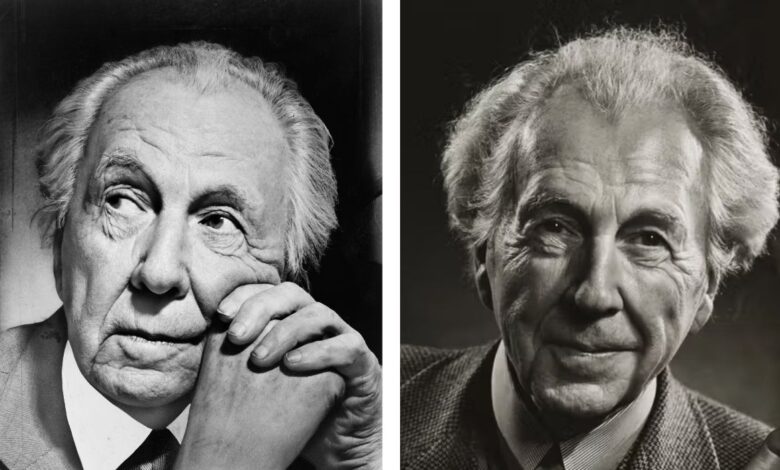
The architectural landscape of American residential construction and innovative spatial planning transformed forever when an uncompromising Wisconsin-born designer introduced organic architecture, permanently establishing the legendary status of Frank Lloyd Wright. Every single generation witnesses the emergence of rare design titans whose radical cantilever structures, seamless indoor-outdoor integration, and profound understanding of human habitation redefine popular culture and construct monumental architectural portfolios out of sheer structural genius. Long before his iconic masterpieces like Fallingwater and the Guggenheim Museum became recognized symbols of design excellence across every corner of the globe, the foundational childhood experiences and fierce determination of Frank Lloyd Wright shaped a remarkable path toward international renown.
Aspiring architects, passionate design enthusiasts, and art historians constantly study how geometric innovation, natural material utilization, and deep environmental harmony come together to build timeless structural marvels. The sheer magnitude of cultural influence achieved by Frank Lloyd Wright remains an inspiring testament to artistic endurance, creative brilliance, and the profound impact of innovative architecture on global civilization. Navigating through the historical milestones of his career reveals an intricate web of dedication, artistic evolution, and unmatched design triumphs that continue to dominate modern architectural conversations.
Quick Bio
- Born: June 8, 1867, in Richland Center, Wisconsin, United States
- Died: April 9, 1959, in Phoenix, Arizona, United States
- Notable Work: Fallingwater, Guggenheim Museum, Robie House, Taliesin
- Occupation: Architect, interior designer, writer, educator
- Accolades: AIA Gold Medal, RIBA Royal Gold Medal, monumental cultural heritage status
Early Roots in Wisconsin and Froebel Block Beginnings
Growing up in a rural Wisconsin landscape filled with natural wonders and supportive family influences, the foundational childhood experiences of Frank Lloyd Wright deeply nurtured an early self-reliance and love for spatial geometry. Family educational toys, particularly Froebel geometric blocks provided by his mother, provided an essential internal imaginative space during his formative years in the American Midwest. Education played a shifting role as he studied civil engineering at the University of Wisconsin before relocating to Chicago to pursue practical drafting. Teachers and senior mentors frequently noticed his exceptional drawing precision, noting that structural spatial visualization came as naturally to him as breathing. These early formative years laid the indispensable groundwork required for future artistic breakthroughs, establishing habits of intense design discipline that Frank Lloyd Wright would rely upon throughout life. Understanding these initial chapters offers profound insight into the authentic organic connection later embedded within his universally beloved prairie houses.
Rigorous Training in Chicago Architectural Studios
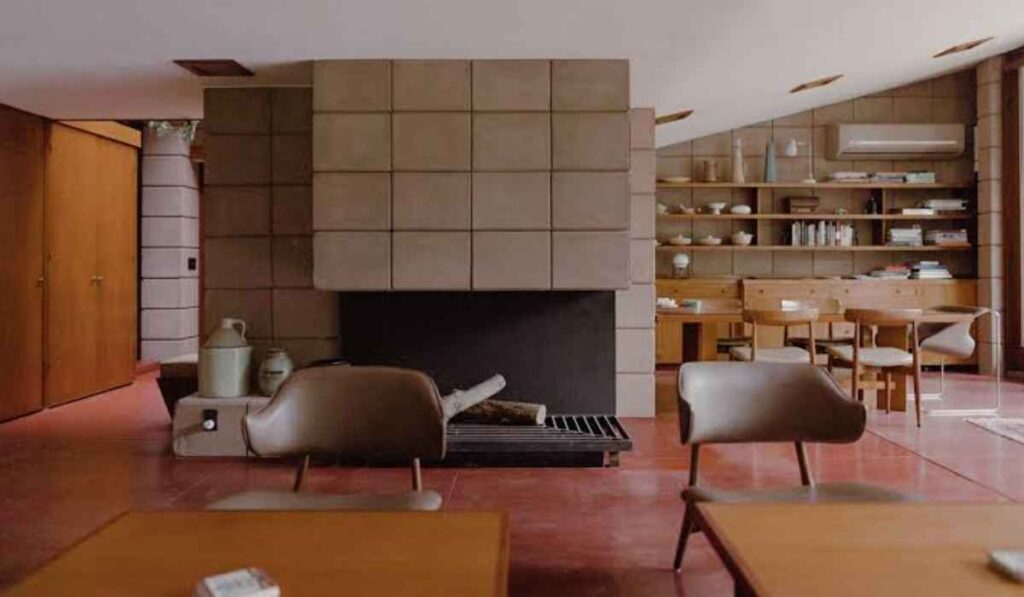
Choosing to pursue professional drafting studies under legendary Chicago architects like Louis Sullivan provided Frank Lloyd Wright with an opportunity to hone his craft alongside brilliant structural contemporaries. Commercial design office life in bustling downtown Chicago challenged his endurance while demanding skyscraper projects expanded his appreciation for ornamentation and structural innovation. Although formal academic architecture degrees were uncommon at the time, his striking drafting skill and natural spatial instincts caught the attention of pioneering mentors. Adler and Sullivan drafting rooms became familiar territory as he took on challenging residential and commercial commissions. Balancing grueling drafting schedules with intensive architectural sketching helped shape the fierce discipline that Frank Lloyd Wright brought to early professional projects. This crucial transitional phase bridged the gap between a young draftsman and a master architect capable of commanding any building site.
Transitioning to Independent Practice and Prairie School Innovations
Transitioning into independent professional life brought Frank Lloyd Wright to the leafy suburbs of Oak Park, Illinois, where he undertook initial residential designs that launched the famous Prairie School movement. Employment of low-pitched roofs, open floor plans, and natural wood finishes exposed him to residential carpentry mechanics, broadening his understanding of American domestic architecture and instilling a lifelong work ethic. Living in Oak Park presented financial difficulties and daily familial pressures that contrasted sharply with her or his—or rather, his—internal desire for radical design experimentation. Despite the pressures of early studio debts, his mind constantly drifted back to spatial flow and organic integration. Juggling client meetings with innovative drafting sessions became a daily ritual for Frank Lloyd Wright, who refused to let financial setbacks extinguish his ultimate ambition. These challenging early years tested his resilience and cemented his unwavering commitment to professional architectural excellence.
The Fateful Design Breakthrough with the Robie House
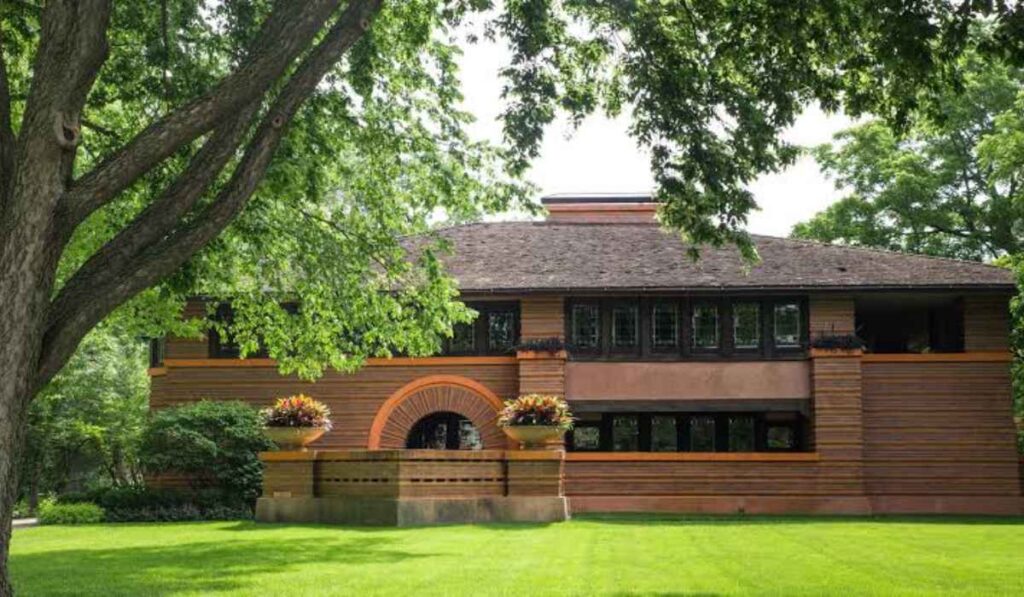
A routine residential commission for a Chicago businessman completely altered the course of architectural history when demanding clients selected Frank Lloyd Wright for a project that redefined modern domestic living. Staring out from suburban streetscapes in daring cantilevered harmony, disparate ideas regarding domestic space coalesced into unforgettable architectural moments. Lacking mainstream international recognition at that exact moment, Frank Lloyd Wright mentally cataloged every structural nuance required to bring his prairie masterpiece to life. That single-minded dedication to horizontal lines and open spatial planning captured lightning in a bottle, providing the structural blueprint for an extraordinary architectural career. Drafting rooms quickly filled with creative tension during every spare minute he could salvage between site visits. The convergence of raw talent and design innovation marked the true birth of a cultural icon crafted by Frank Lloyd Wright.
Soaring to Global Stardom and Establishing Taliesin
Seeking creative recognition across international design markets, Frank Lloyd Wright fought courageously to establish his defining architectural philosophy while navigating the sudden explosion of worldwide media attention. Working alongside global publishers offered an opportunity to secure unprecedented critical acclaim while immersing himself in high-stakes design commissions across international borders. Mornings and afternoons spent on construction sites gave way to rigorous structural calculations and drafting sessions. During this chapter, he experienced sudden global fame, balancing intense media scrutiny with unyielding dedication to his craft. Life in the public eye brought unexpected turbulence, yet the professional sanctuary found within active drafting studios remained a steady anchor for Frank Lloyd Wright amidst changing architectural landscapes. This dramatic chapter added immense artistic weight and international recognition to his expanding portfolio.
Breaking Away from Traditional Styles and Designing Fallingwater

Facing industry expectations as a regional Prairie School architect, Frank Lloyd Wright transitioned into dramatic cantilevered woodland structures, collaborating with visionary clients to break free from conventional urban housing. Surviving critical skepticism while exploring ferroconcrete technology over natural waterfalls, he persevered through demanding construction schedules to deliver career-defining structural masterworks. Filming and photographing intense construction phases in diverse rural locations became legendary folklore among architectural historians who trace the depth of his career evolution. Every completed architectural masterpiece represented an act of supreme triumph against traditional engineering expectations, showcasing the unbreakable spirit of Frank Lloyd Wright under heavy professional scrutiny. Clients offered financial support, but the heavy lifting of engineering complex cantilevers rested entirely on his shoulders. This grueling period of artistic ambition forged the fierce determination that cemented his legendary status.
Conquering Critical Acclaim with the Guggenheim Museum
With the harrowing urban museum design officially underway, Frank Lloyd Wright became the driving force behind a critically acclaimed masterpiece that permanently transformed modern art exhibition spaces in New York City. Months of careful spiral ramp engineering and concrete pouring yielded a steady stream of public fascination, as skeptical art critics marveled at his compelling interior architecture. Many observers failed to recognize the unique structural depth pulsing through his late work, dismissing early modern concepts as mere eccentricities. Rejection of standard box-like museum formulas tested his design direction, yet Frank Lloyd Wright refused to back down, insisting on continuous ramp galleries. Persistence ultimately paid off when his revolutionary museum design permanently altered how industry peers viewed Frank Lloyd Wright as an unrivaled architectural visionary. That pivotal creative decision unlocked unprecedented design freedom.
Mentoring Future Architects at the Taliesin Fellowship
The later decades of his career marked a historic turning point when veteran wisdom matched his legendary commercial appeal, establishing Frank Lloyd Wright as an elite architectural mentor figure. Initially starring as an experimental educator, residential master, and global lecturer, word of his commanding design presence spread rapidly among international students and civic leaders. Critical acclaim and architectural commissions soon followed, propelling Frank Lloyd Wright into the absolute pinnacle of design royalty. American and international clients eagerly followed his studio developments, turning every building project into a monumental cultural event. Complex themes concerning urban sprawl, affordable housing, and organic integration resonated deeply with fans, elevating his status to unprecedented heights. Maintaining creative control across diverse building types required extraordinary vision from Frank Lloyd Wright, who navigated complex construction negotiations with undeniable precision.
Subsequent Publishing Triumphs and Architectural Philosophy
The subsequent years brought further artistic triumphs and complex theoretical writings that continually tested the creative endurance and artistic range of Frank Lloyd Wright. Whether publishing books on broadacre city planning, designing Usonian homes, or overseeing major museum construction, his commitment to architectural innovation remained completely unwavering. Critics frequently praised his visionary urban concepts and outspoken nature, separating him from many contemporary architects in America. Life away from building sites involved active participation in architectural exhibitions, public speaking, and quiet family management in Wisconsin and Arizona. Juggling demanding design schedules with global lectures became second nature for Frank Lloyd Wright, who commanded the respect of the global artistic community. This sustained period of productivity solidified his reputation as a generational architectural titan capable of masterclass output.
Championing Organic Architecture and Environmental Harmony
Venturing into deeply personal design advocacy demonstrated that Frank Lloyd Wright was never afraid to champion environmental integration, sustainable site placement, and artistic independence across public forums. Publishing manifesto books, funding apprentice training programs, and supporting historical preservation projects proved his keen understanding of ecological design development. This strategic focus allowed his later career to be judged as a brilliant environmental evolution rather than a simple reliance on past residential success. Critics and cultural analysts alike praised the passionate advocacy and unwavering dedication to natural materials displayed during recent decades. Transitioning from regional builder to global architectural philosopher demonstrated the persistent drive possessed by Frank Lloyd Wright.
Groundbreaking Philanthropy and Community Design Education
Beyond his massive structural achievements, Frank Lloyd Wright frequently dedicated personal time and resources to the Taliesin Fellowship, architectural education funds, and community planning initiatives. Establishing a legacy of hands-on mentorship, his influence aided regional apprentice development without seeking excessive public applause. This strategic educational focus allowed his public standing to encompass genuine care for young professionals facing industry hardships behind the scenes. Critics and public figures often overlook this side, yet those assisted praise the tangible guidance provided by Frank Lloyd Wright during difficult times. Transitioning from legendary master architect to supportive educator defined another dimension of his complex public identity.
Awards Honors and Permanent Architectural Accolades
Recognition for his contributions to global architecture includes the AIA Gold Medal, the RIBA Royal Gold Medal, UNESCO World Heritage designations, and numerous international honors bestowed upon Frank Lloyd Wright. Appointments to cultural societies and prestigious design academies underscored the immense respect he earned from peers and international organizations worldwide. Architectural guilds frequently celebrated his ability to sustain design innovation during challenging economic transitions for the construction industry. These well-deserved accolades formalize his standing as one of the most significant figures in design history. Reviewing his extensive list of honors reveals a life defined by extraordinary artistic triumphs that will inspire future generations.
The Enduring Magic of Spatial Design and Human Habitation
At the core of every building designed or constructed by Frank Lloyd Wright lies a fearless exploration of human dignity, spatial fluidity, and undeniable structural innovation. Her or his—or rather, his—ability to construct compelling architectural spectacles where inhabitants find raw emotional connection bridged cultural boundaries and language barriers across the globe. Generations of design enthusiasts grew up visiting his structures, finding excitement and profound reflection within the massive architectural portfolio of Frank Lloyd Wright. This psychological and emotional connection between the iconic designer and his devoted public forms the enduring bedrock of the lasting cultural permanence established by Frank Lloyd Wright. As classic buildings are preserved for modern preservation standards, the fundamental brilliance embedded in his work ensures that Frank Lloyd Wright remains unforgettable.
Public Discourse and Bold Personal Independence
Never one to shy away from expressing independent viewpoints on modern culture, Frank Lloyd Wright maintained a vibrant presence in public discourse, championing artistic freedom and organic design principles with absolute boldness. Whether addressing civic committees or publishing architectural critiques, his public impact remained remarkably consistent across changing decades. Observers worldwide closely followed his relentless commitment to his beliefs, knowing that absolute personal integrity was always a hallmark of the professional persona cultivated by Frank Lloyd Wright. This perpetual drive to challenge conventional building norms proved that his creative fire burned brightly. The ongoing celebration of his design journey promises even more timeless appreciation for Frank Lloyd Wright.
Preserving a Monumental Architectural and Cultural Heritage
Reflecting upon the vast design empire built by Frank Lloyd Wright reveals a biographical narrative as compelling as any modern history ever recorded. From humble beginnings in Wisconsin to international architectural superstardom and profound global impact, her or his—or rather, his—trajectory exemplifies the legendary power of raw talent and relentless dedication. Museum archives, university libraries, and historical foundations proudly preserve the blueprints and buildings of Frank Lloyd Wright, ensuring that future generations will experience the wonder of organic architecture. Safeguarding this rich design heritage involves continuous engagement from architectural historians who recognize the pivotal role played by Frank Lloyd Wright. The enduring influence of Frank Lloyd Wright remains a shining beacon for anyone who loves great architecture.
Frequently Asked Questions
- What revolutionary architectural philosophy was pioneered and championed by Frank Lloyd Wright?
- He pioneered organic architecture, which emphasizes harmony between human habitation and the natural world.
- Where was Frank Lloyd Wright born and where did he establish his famous winter studio, Taliesin West?
- He was born in Richland Center, Wisconsin, and established his winter home and studio in Scottsdale, Arizona.
- What famous residential masterpiece was designed by Frank Lloyd Wright over a waterfall in Pennsylvania?
- He designed the iconic house known as Fallingwater in Mill Run, Pennsylvania.
- What distinctive spiral museum in New York City was famously designed by Frank Lloyd Wright?
- He designed the Solomon R. Guggenheim Museum on Fifth Avenue in Manhattan.
- What prestigious professional honors were awarded to Frank Lloyd Wright during his legendary career?
- He received both the AIA Gold Medal from the American Institute of Architects and the RIBA Royal Gold Medal.