The Unrivaled Legacy of Brooklyn Machine Works: How This Iconic Brand Revolutionized Urban Cycling and High-Performance Custom Bicycle Engineering

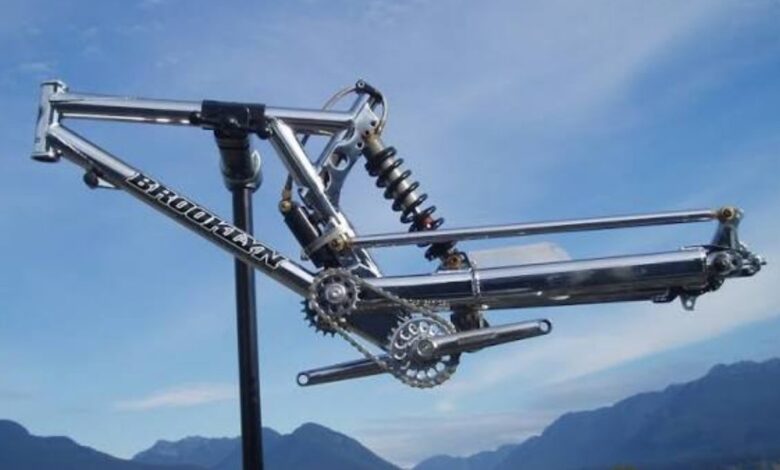
The cycling world is filled with manufacturers, but few have achieved the legendary status of Brooklyn Machine Works. Born from the gritty streets of New York City in the mid-1990s, this brand emerged as a symbol of rugged durability and uncompromising performance. Founded by Joe Avedisian and Chris “Doc” Boudreaux, the company began in a small workshop where passion for engineering met a love for urban exploration. Their philosophy was simple yet radical: build bikes that were “built to destroy” and capable of surviving the harshest city environments. Today, their legacy remains etched in the history of mountain biking and fixed-gear culture.
| Feature | Details |
| Founded | 1996 in New York City |
| Founders | Joe Avedisian and Chris “Doc” Boudreaux |
| Core Philosophy | Hand-tooled frames and “built-to-destroy” durability |
| Key Models | Gangsta Track, Racelink, Big-Ben |
| Industry Impact | Pioneer in custom urban cycling and niche performance parts |
The Origins of a Cultural Icon
In 1996, a small group of visionary cyclists decided that the mass-produced bikes of the era were not tough enough for the streets of New York. Brooklyn Machine Works was established to fill this gap, creating custom components and frames that could handle the intensity of urban riding. Their initial projects were prototypes designed for themselves, but word quickly spread. The brand became a testament to American craftsmanship and the raw energy of Brooklyn. By focusing on quality over quantity, they transformed from a local garage project into an international name that synonymous with high-end, indestructible cycling gear.
Engineering Excellence and Material Integrity
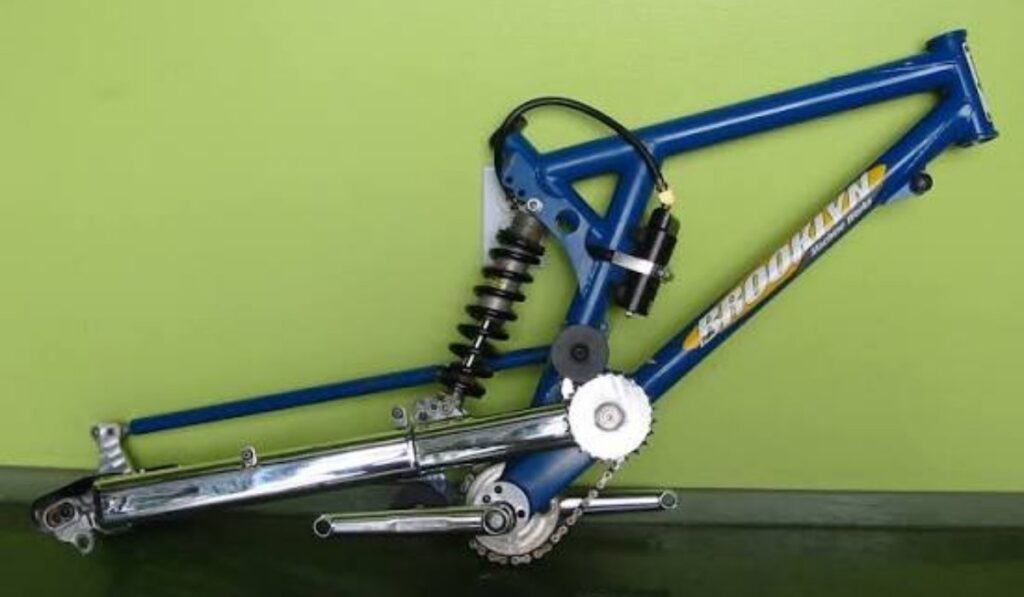
What truly set the brand apart was its commitment to engineering excellence. Every frame and component produced by Brooklyn Machine Works was hand-tooled, ensuring that every weld and measurement met strict standards. They favored high-grade steel and advanced alloys, creating machines that felt substantial and responsive. This dedication to material integrity meant that riders weren’t just buying a bike; they were investing in a tool designed to last a lifetime. Their engineering approach influenced a generation of frame builders, emphasizing that true performance is rooted in the quality of the materials used in the construction process.
The Cultural Impact of the Gangsta Track
Few bicycles have reached the cult status of the Gangsta Track. Designed to handle the aggressive demands of city messengers and street riders, it redefined how people perceived fixed-gear cycling. The frame offered a nimble geometry that avoided the common pitfalls of toe overlap, allowing for precise handling in tight alleyways and busy intersections. It became a favorite among urban riders worldwide, from London to Tokyo. The Gangsta Track was not just a means of transportation; it was a fashion statement and a performance piece, securing its place as an iconic model in modern bicycle history.
Collaborations and the Supreme Legacy
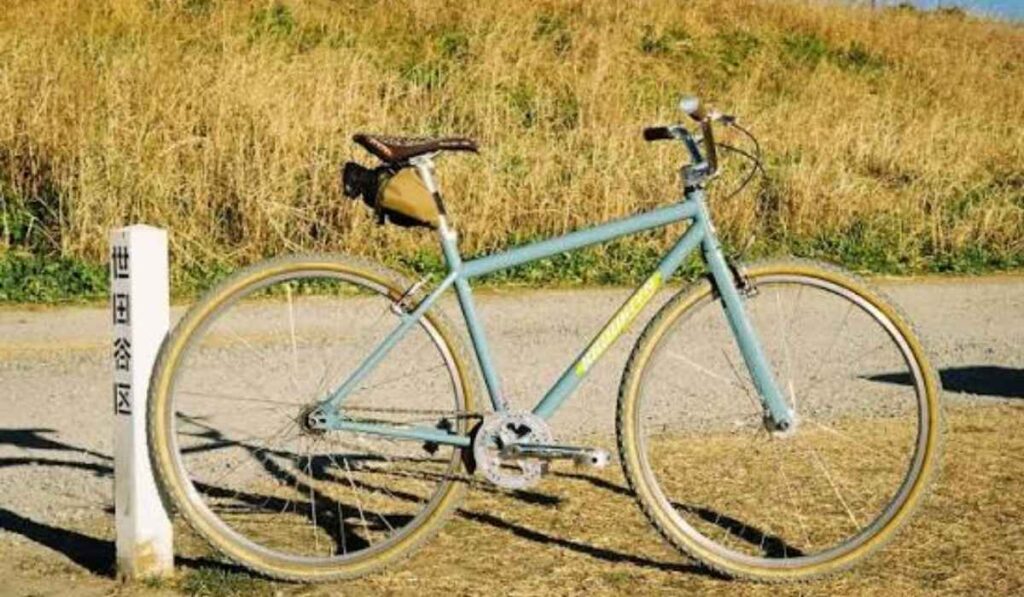
The influence of Brooklyn Machine Works extended well beyond traditional cycling circles, famously intersecting with high-end streetwear. In 1998, James Jebbia of Supreme commissioned the company to produce a limited run of bespoke BMX cruisers. With only thirty-six units ever made, these bikes became one of the rarest collectibles in the Supreme archives. Featuring engraved branding and handmade precision, the collaboration highlighted the synergy between urban culture and mechanical artistry. This partnership cemented the brand’s status as a crossover icon, recognized by enthusiasts who valued aesthetic perfection and mechanical rarity in equal measure.
The Philosophy of “Built to Destroy”
The brand’s mantra, “built to destroy,” was more than just a marketing slogan; it was a promise to the rider. Every component, from seat clamps to stems, was machined to be ultra-strong, often using light but durable aluminum. This philosophy appealed to riders who were tired of replacing parts due to the constant wear and tear of urban riding. By focusing on bombproof construction, they gained the trust of bike messengers and extreme riders who needed gear that wouldn’t fail under pressure. This commitment to durability is perhaps the brand’s most lasting contribution to the cycling industry.
Innovations in Downhill Mountain Biking
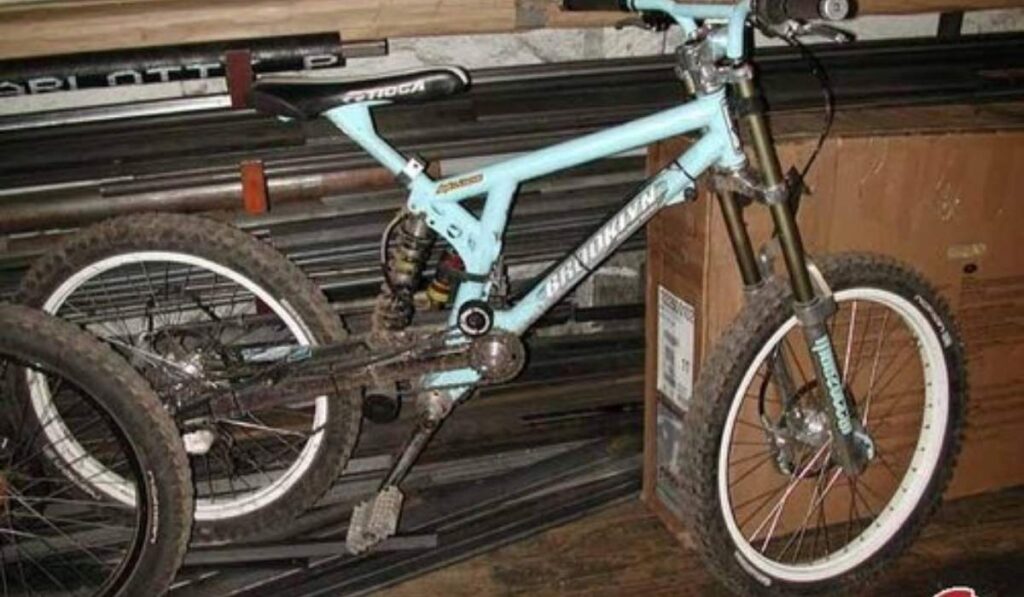
Before they became synonymous with fixed-gear culture, the team was deeply involved in the world of professional downhill mountain biking. Their innovative frame designs and high-pivot suspension systems pushed the boundaries of what mountain bikes could achieve on technical terrain. Models like the Big-Ben were considered radical for their time, showing a forward-thinking approach to frame geometry and suspension performance. By participating in competitive racing, they proved that their engineering mettle wasn’t just for city streets—it was world-class, capable of handling the most grueling downhill tracks across the globe during the late 90s.
The Global Reach of the Brooklyn Aesthetic
While firmly rooted in NYC, the brand quickly found a massive following in international markets like Japan and the UK. The “Brooklyn” label became a badge of authenticity for urban riders who were looking for a specific type of performance. Partnerships with retailers like Wbase in Tokyo allowed the brand to maintain its unique identity while catering to global trends. This international presence proved that the brand’s ethos—tough, hand-built, and visually distinct—transcended borders. It wasn’t just a local firm anymore; it was a cornerstone of a worldwide community of riders who valued genuine grit.
Evolution of the Design Language
The design language of the company has always been one of evolution. While they respect their roots in the 90s, they have never been afraid to modernize their components for contemporary riding styles. From early track bikes to modern, versatile frames, the brand has consistently adapted to the needs of the next generation. Whether it’s adding features for modern tires or refining the weight of their components, they ensure their products are always relevant. This balance between honoring the past and embracing innovation is why they remain a respected name in the ever-changing cycling industry.
The Role of Hand-Tooling in Quality Control
Hand-tooling remains the heartbeat of their production philosophy. By avoiding mass assembly line techniques, they ensure that every piece meets the founders’ exacting standards. This human touch is visible in every weld and finished product. For riders, this means a level of attention to detail that is rarely found in mass-produced frames. The company’s focus on the artisan aspect of frame building keeps them connected to their original mission: creating bicycles that are meant to be ridden hard and kept for years, rather than discarded when the latest trend arrives.
Mastering the Urban Landscape
Urban riding is a unique challenge, and the company has mastered it by understanding the environment. Their bikes are designed for the stop-and-go nature of city riding, the sharp turns required by traffic, and the ruggedness needed for potholes and uneven pavement. By focusing on these specific urban variables, they have created a product that feels intuitive to the city cyclist. The experience of riding a custom frame built by their shop is often described as feeling more “connected” to the road, a testament to the brand’s expertise in specialized urban performance geometry.
Supporting the Messenger Culture
The bond between Brooklyn Machine Works and the bicycle messenger community has always been strong. Messengers, who rely on their bikes for their livelihood, were the first to test and champion the durability of the brand’s early prototypes. By listening to the feedback from those who spent eight hours a day in the saddle, the company was able to refine its designs to be truly practical. This reciprocal relationship ensured that every product release was informed by real-world data, creating a product line that was not just stylish, but fundamentally useful for working professionals on two wheels.
Performance Components Beyond the Frame
While they are known for their frames, their components—stems, handlebars, pedals, and seat posts—have achieved a reputation for excellence on their own. These parts are often sought after by custom bike builders looking to complete their dream setups. Machined from aircraft-grade aluminum, these parts offer a balance of light weight and immense strength. They are designed to fit perfectly with the brand’s aesthetic, providing a cohesive look for any bike. For many riders, collecting these vintage or limited-edition parts is as much a passion as riding the bikes themselves.
Commitment to American Manufacturing
Throughout its history, the brand has maintained a strong identity as an American-made company. While collaborations occur internationally, the core vision and design philosophy remain firmly tethered to its New York origins. This commitment to domestic manufacturing resonates with riders who value local industry and high-quality artisan labor. By keeping their processes transparent, they have built a brand that people are proud to support. It serves as a reminder that small-scale, high-quality production can still compete and thrive in a world dominated by cheap, mass-manufactured sporting goods imported from overseas.
Adapting to the Digital Era
In the age of online retail, the company has successfully transitioned its presence to a digital platform without losing its “underground” vibe. Their website acts as a hub for enthusiasts, providing access to original parts and limited releases that continue to sell out globally. By maintaining a clean, simple digital storefront, they have managed to keep their operations efficient while staying true to their roots. This transition has allowed a new generation of cyclists to discover the brand, ensuring that their iconic status is preserved for years to come in a fast-paced digital market.
Challenges and Resilience in the Bicycle Industry
The cycling industry is notoriously difficult, with high competition and fluctuating demand. Throughout their decades in business, the company has faced many challenges, from economic shifts to changing trends in cycling sports. Yet, they have shown remarkable resilience by staying true to their niche. They don’t try to be everything to everyone; instead, they excel at being the go-to brand for those who value durability and character. This narrow focus has proven to be their greatest strength, allowing them to weather downturns that have claimed many other larger, less focused competitors.
The Legacy of Joe Avedisian and Doc Boudreaux
The founders, Joe Avedisian and Doc Boudreaux, have left an indelible mark on the industry. Their combined vision turned a simple love for welding and riding into a global standard for quality. Even as the brand has evolved, their influence is felt in every product that rolls out of the workshop. Their story is a classic example of how passion, when backed by technical skill, can create something timeless. Their willingness to experiment and their rejection of compromise have inspired countless other frame builders to pursue their own creative visions in the world of custom bicycles.
Designing for the Next Generation
Looking ahead, the brand remains committed to the next generation of riders. Whether it’s through the revival of old favorites or the development of new prototypes, they are always looking at what makes the next ride better. They understand that the needs of city riders in 2026 are different than those in 1996, and they are quick to incorporate modern technology into their designs. This forward-looking perspective ensures they aren’t just a historical footnote, but a living, breathing part of the contemporary cycling world that continues to push what is possible on two wheels.
The Art of the Bicycle Frame
For the designers at the company, a bike frame is not just a triangle of tubes; it is a canvas for mechanical expression. The attention to aesthetic details, such as unique engravings, bold branding, and precision-machined joints, elevates their frames to pieces of functional art. Riders are drawn to this artistic quality, often treating their bikes with the care one would give a sculpture. This approach turns a utility object into a prized possession, fostering an emotional connection between the rider and their machine that few other manufacturers can replicate in today’s mass-market landscape.
Building Community Through Shared Values
The brand’s success is built on more than just hardware; it is built on shared values. Riders who choose their gear share an appreciation for hard work, city life, and the mechanical beauty of a well-made machine. This sense of belonging is a powerful force that sustains the brand’s community. From meetups in New York to organized rides in major cities across the world, the owners of these bikes form a unique tribe. This community is the true measure of their success, a testament to how a small company from Brooklyn changed the world of cycling forever.
Reflections on a Lasting Legacy
As we reflect on the history of Brooklyn Machine Works, it is clear that their influence will be felt for generations. They proved that it is possible to maintain a small, high-quality manufacturing operation in a city as expensive and fast-paced as New York. They demonstrated that there is always a market for products that prioritize strength and soul over convenience. By remaining dedicated to their craft, they have created a body of work that is not only functional but historically significant. Their legacy is a reminder that in a world of disposable goods, quality still matters and will always find an audience.
FAQs
- What was the original goal of the brand?
- The goal was to build tough, hand-tooled bikes capable of surviving the harsh environment of NYC streets.
- Are their bikes still manufactured in the USA?
- Yes, the company maintains its American roots and design philosophy, keeping the manufacturing process tightly controlled.
- What is the most famous frame model they ever produced?
- The Gangsta Track is arguably their most iconic frame, famous for its impact on global fixed-gear and urban riding culture.
- Did they only make urban bikes?
- No, they were also highly influential in the early development of downhill mountain biking and performance off-road frames.
- Why are their components so popular?
- Their components are known for being machined to an extremely high standard of durability, making them a favorite for custom builds.