Building a Custom Home: A Comprehensive Guide to Creating Your Dream Residence from Concept to Completion

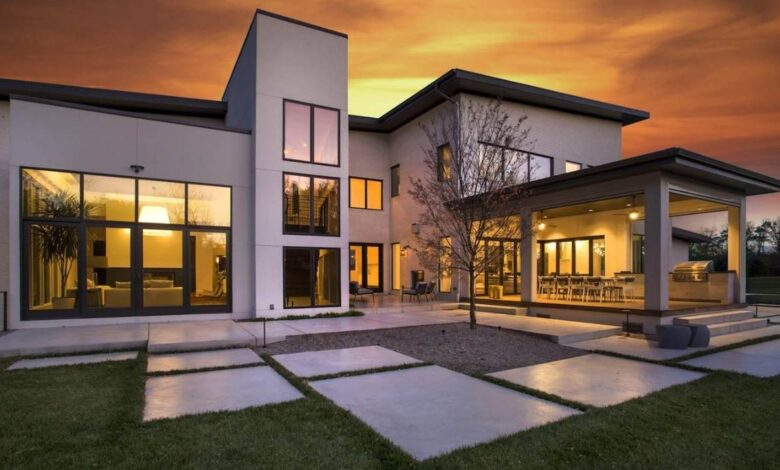
Building a custom home is one of the most significant and personal projects you will ever take on. It offers the unparalleled opportunity to design a living space tailored specifically to your lifestyle, needs, and future goals, ensuring that every room, fixture, and finish aligns with your vision. Unlike purchasing an existing property, where you might have to compromise on layout or location, a custom build grants you total control over the process. While the journey involves numerous moving parts—from initial site selection to the final walkthrough—understanding the steps involved makes the experience far less intimidating and much more rewarding.
| Quick Bio | Details |
| Topic | Building a Custom Home |
| Primary Goal | Creating a personalized residence tailored to lifestyle needs |
| Key Stages | Design, Budgeting, Permitting, Site Work, Construction, Finishes |
| Core Benefits | Complete personalization, modern standards, long-term value |
| Typical Timeline | 12 to 18+ months depending on complexity |
Defining Your Vision and Budget
Before beginning to build a custom home, clarify your lifestyle needs, must-have features, and your total investment range. Think about how your family functions daily—consider the number of bedrooms, the need for a home office, or the desire for an open-concept layout. Setting a realistic budget is crucial; remember to include costs for land acquisition, design fees, permits, and utility connections, not just construction materials. A clear vision from the start helps your builder create a workable plan and prevents stressful, expensive changes later in the process.
Selecting the Right Lot
The site you choose to build a custom home on dictates much of your future living experience. Evaluate the lot’s topography, soil conditions, and drainage to avoid potential foundation issues. Consider how the home’s orientation will affect natural light, privacy, and views. Additionally, check zoning requirements, utility availability, and any restrictive covenants. A lot that seems perfect on the surface may have hidden constraints, so a professional evaluation early in the process is essential to ensure the land is truly suitable for your needs.
Choosing Your Builder
Your builder is your most important partner when you build a custom home. Look for a professional with a proven track record, local experience, and a reputation for transparent pricing. Don’t be afraid to ask for references, visit past projects, and discuss their communication style—clear, consistent dialogue is vital to a smooth project. A reliable builder does more than construct the house; they manage subcontractors, maintain quality standards, and keep the project on schedule, making your life significantly easier from the first conversation to the final day of move-in.
The Design Phase
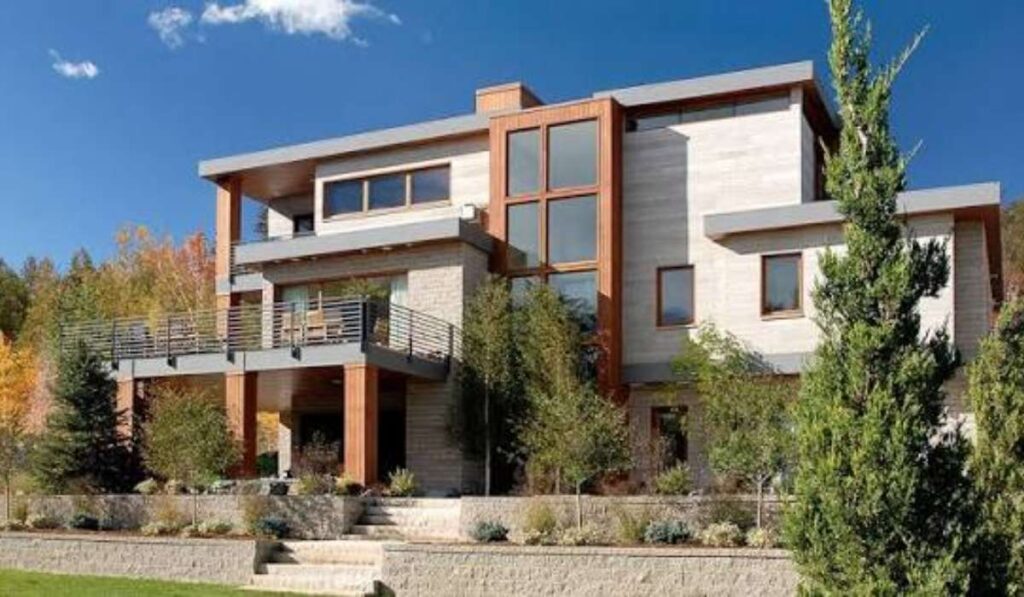
The design phase is where your ideas become reality as you build a custom home. Collaborate with architects and designers to create precise blueprints that reflect your priorities. This stage involves multiple iterations, often utilizing 3D modeling to help you visualize the finished space. Decisions made now—such as room placement and structural details—are far cheaper to adjust than those made during construction. Focus on balancing style with function, ensuring every square foot is utilized in a way that supports your daily routines for years to come.
Securing Necessary Permits
Navigating the regulatory landscape is a mandatory step to build a custom home. Your design team will submit construction documents to the local municipality for review and approval to ensure compliance with building codes and zoning laws. A clean, well-coordinated set of drawings is the single biggest factor in avoiding delays during this phase. While this process can sometimes take weeks or months, it is essential for the legal and structural integrity of your build, providing a foundation of safety and compliance that protects your investment throughout the construction period.
Site Preparation and Foundation
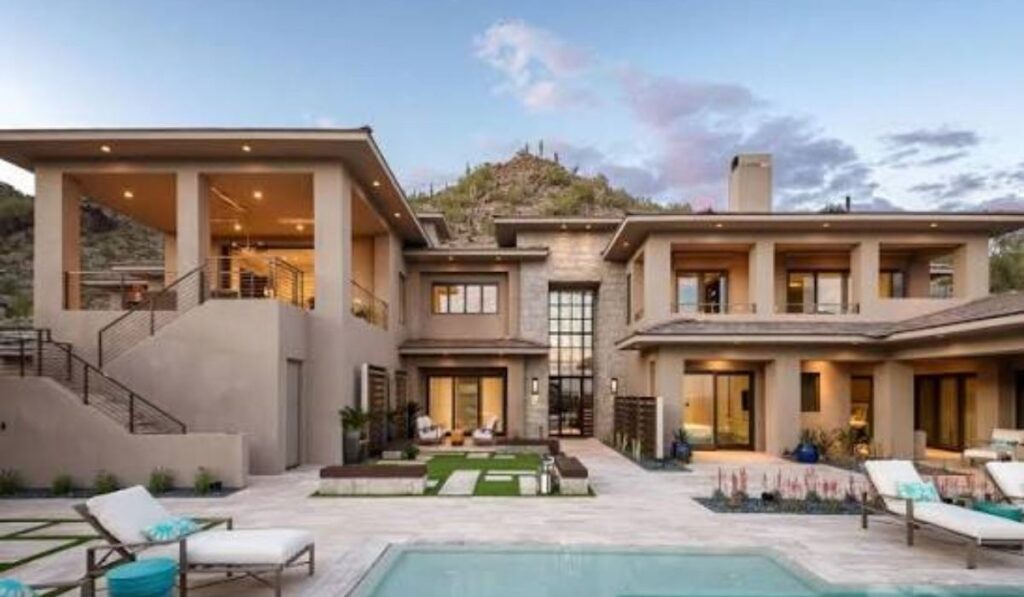
Once permits are in hand, the crew will break ground to build a custom home. This phase includes clearing the land, grading, and establishing proper drainage to prevent future water accumulation near the home. After the site is prepped, the foundation is poured. A stable, level foundation is critical, as it supports the weight of the entire structure and resists movement over time. Proper attention at this stage prevents major structural problems later, ensuring the longevity and stability of your residence from the very base up.
The Framing Stage
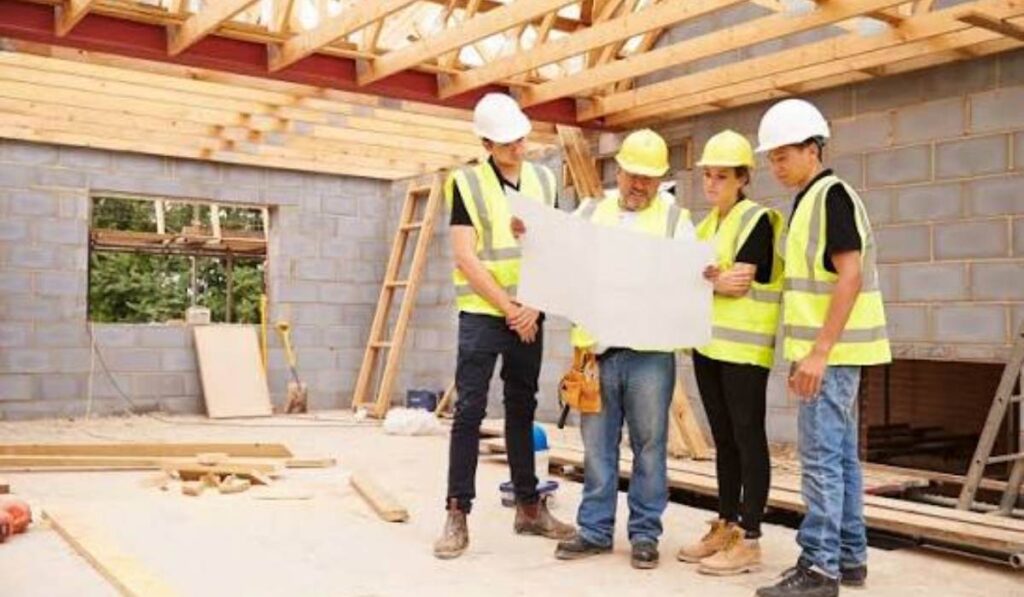
Framing is the moment when your vision truly starts to take shape as you build a custom home. The crew erects the “skeleton” of the structure, including floor systems, exterior walls, and roof trusses. This is a very exciting phase because you can finally walk through the rooms and get a real sense of the scale and layout. By following the architectural plans closely, the builder ensures that the frame provides the necessary support and accuracy for all subsequent work, transforming your abstract blueprints into a tangible, three-dimensional space.
Installing Mechanical Systems
After the frame is “dried in,” the mechanical rough-ins begin when you build a custom home. This involves installing the hidden systems that make a modern house functional: plumbing, electrical wiring, and HVAC ductwork. It is much easier to route these components through an open frame than after walls are closed. Once complete, inspectors will review these systems to ensure they meet all safety codes. This stage is also your final opportunity to verify the placement of outlets, switches, and lighting layouts before the walls are permanently sealed.
Interior and Exterior Finishes
This phase brings the home to life as you build a custom home. Inside, drywall is installed, mudded, and painted, while outside, siding, roofing, and windows are applied to protect the structure. You will also begin the selections process for flooring, cabinetry, tile, and fixtures. These choices define the character and aesthetic of your space. Managing these details effectively is essential to keep the schedule moving, as many finishes rely on the completion of the previous step, such as installing insulation before closing the walls.
Final Walkthrough and Handover
The final stage when you build a custom home is the quality inspection and walkthrough. You and your builder will review the entire property, testing appliances, checking paint and flooring for imperfections, and confirming that all systems operate as expected. A “punch list” of small items may be created to address minor touch-ups before you officially take the keys. Once the certificate of occupancy is granted and the final walkthrough is complete, you are ready to settle in and enjoy the home you have worked so hard to create.
Understanding Construction Loans
Financing a project to build a custom home requires a different approach than a standard mortgage. Construction loans are typically disbursed in stages (draws) based on completed milestones, requiring clear, detailed cost estimates upfront. You will need to provide proof of income, credit history, and your finalized construction plans to the lender. It is important to explore these loan options early in the process to understand the budgetary requirements and ensure that your project is fully funded before you break ground on your dream residence.
Incorporating Energy Efficiency
Building a custom home provides the unique chance to incorporate high-performance standards from the beginning. You can select high-quality windows, advanced insulation, and energy-efficient HVAC systems that are difficult or expensive to retrofit later. Many homeowners also opt for smart thermostats, LED lighting, and even solar panels to reduce long-term operating costs. Investing in these features not only increases your daily comfort but also adds to the long-term resale value of the house, making it a smart financial choice for your future.
Long-Term Lifestyle Planning
When you build a custom home, design with your future needs in mind. Consider features that allow for flexibility, such as wider doorways, accessible bathrooms for aging-in-place, or guest suites for multi-generational living. Think about how your family might grow or change over the next several decades. A custom-built house should be a long-term asset, so planning for adaptability today ensures that the space remains functional, comfortable, and welcoming even as your circumstances evolve over time, potentially allowing you to stay in your preferred location for many years.
Managing Unexpected Costs
Even with the best planning, it is smart to build a contingency reserve when you build a custom home. Unforeseen site conditions—such as rock during excavation—or changes in material prices can impact the bottom line. Keeping an open, proactive line of communication with your builder allows you to address potential hurdles quickly and adapt if necessary. By being disciplined with your budget and maintaining a realistic outlook on potential changes, you can minimize the risk of overshooting your financial targets and keep your project moving successfully toward completion.
The Value of Professional Collaboration
Building a custom home is a team sport. Bringing together a qualified architect, an experienced contractor, and skilled interior designers ensures a holistic approach to the project. These professionals provide the expertise to navigate complex engineering, local regulations, and design trends, helping you make informed decisions that avoid costly mistakes. Their collective experience helps translate your vision into a buildable, permitted set of plans and ensures that the final result is a beautiful, structurally sound home that stands the test of time and meets your personal standards.
Selecting Quality Materials
When you build a custom home, your choice of materials directly impacts durability and maintenance. Opting for high-quality flooring, roofing, and exterior finishes might have a higher upfront cost, but these choices often save money in the long run by reducing the frequency of repairs. Work with your builder to weigh the pros and cons of different products based on your local climate and lifestyle requirements. Choosing materials that age gracefully or require minimal care will allow you to enjoy your home without the constant stress of routine maintenance.
Navigating Design Trends
It is easy to get caught up in design inspiration when you build a custom home, but focus on what truly works for you. While it is fun to look at the latest trends, remember that your home should reflect your identity and functional needs first. Prioritize choices that you love and that support your routines, rather than simply selecting finishes for potential resale value, as the next owner may change them anyway. A house that is truly your own, designed with intention and love, will always provide a higher level of daily satisfaction.
The Reward of the Journey
The process to build a custom home can be long and sometimes demanding, but the reward is a space that is authentically yours. Every decision, from the placement of a window to the selection of a specific wood species for your kitchen island, contributes to a home that supports how you actually want to live. Keeping your ultimate vision in mind helps maintain motivation during the busier phases of construction. Cherish the experience of watching your dream come to life, knowing you have created a place that you will enjoy for decades.
Custom Home vs. Existing Homes
When you compare the choice to build a custom home against buying an existing house, the main difference is the level of control. Existing homes offer a faster move-in, but they often require compromises on layout, location, or modernization. A custom build allows you to avoid competitive bidding wars on properties that might not perfectly fit your needs. While the upfront planning and timeline for a new build are more extensive, the benefit of having a space tailored specifically to your family, property, and lifestyle goals often far outweighs the temporary challenges.
Starting Your Dream Build
Ready to build a custom home? Start by defining your vision, setting a budget, and reaching out to professionals who can guide you through the initial analysis of a potential lot. Remember that building a home is a highly personal journey, and with the right team, preparation, and patience, it becomes an incredibly rewarding project. By focusing on clear goals, quality craftsmanship, and open communication, you are setting the stage for a successful build that results in the perfect residence for you and your family to enjoy for many years.
- How long does it usually take to build a custom home?
- The process generally spans 12 to 18 months, covering everything from initial design and permits to final construction and move-in day.
- What is the most important first step?
- Defining your vision and budget is the most critical starting point to ensure your goals remain realistic throughout the design and construction phases.
- Is it more expensive to build a custom home?
- Upfront costs are often higher due to design and site work, but building a custom home allows you to control your investment, prioritize quality, and potentially reduce long-term maintenance costs.
- Do I need an architect if I have a builder?
- Yes, architects provide the specialized design, structural, and regulatory expertise needed to create a buildable, safe, and personalized set of plans.
- How can I control costs during construction?
- Set a realistic budget, build in a contingency reserve, finalize your design selections before construction starts, and maintain open communication with your builder to avoid costly changes mid-project.