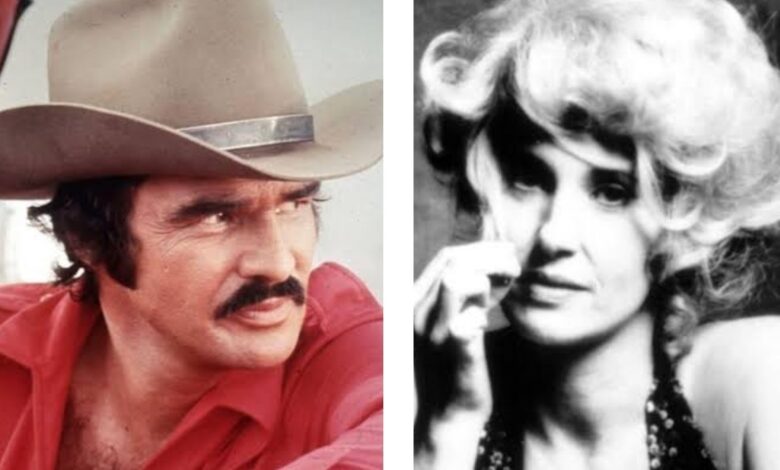
Tammy Wynette remains a towering figure in the landscape of American country music, forever remembered as the First Lady of the genre. Born Virginia Wynette Pugh, she transformed the industry with her soulful, emotive voice and relatable songwriting that spoke directly to the heart of working-class women. Her journey from humble beginnings in Mississippi to the glitz of Nashville is a classic rags-to-riches story that defined an era. Throughout her illustrious career, she navigated personal turmoil and professional triumphs, cementing her status as an artist who could capture the essence of human struggle and enduring love within a single song.
Quick Bio
| Attribute | Detail |
| Birth Name | Virginia Wynette Pugh |
| Birth Date | May 5, 1942 |
| Death Date | April 6, 1998 |
| Known As | First Lady of Country Music |
| Signature Song | Stand by Your Man |
| Major Awards | Two Grammy Awards |
Early Life and Childhood Beginnings
The story of Tammy Wynette began in the rural town of Itawamba County, Mississippi, where she was born into a life of hardship and humble aspirations. Raised largely by her grandparents after the tragic loss of her father, she found solace in music from a very young age. She spent her youth idolizing legends like Hank Williams and Patsy Cline, dreaming of a stage far beyond her small town. These early experiences in gospel singing and local talent contests nurtured the raw talent that would eventually propel her toward a transformative career as a major country music star.
Moving to Nashville and Seeking Fame
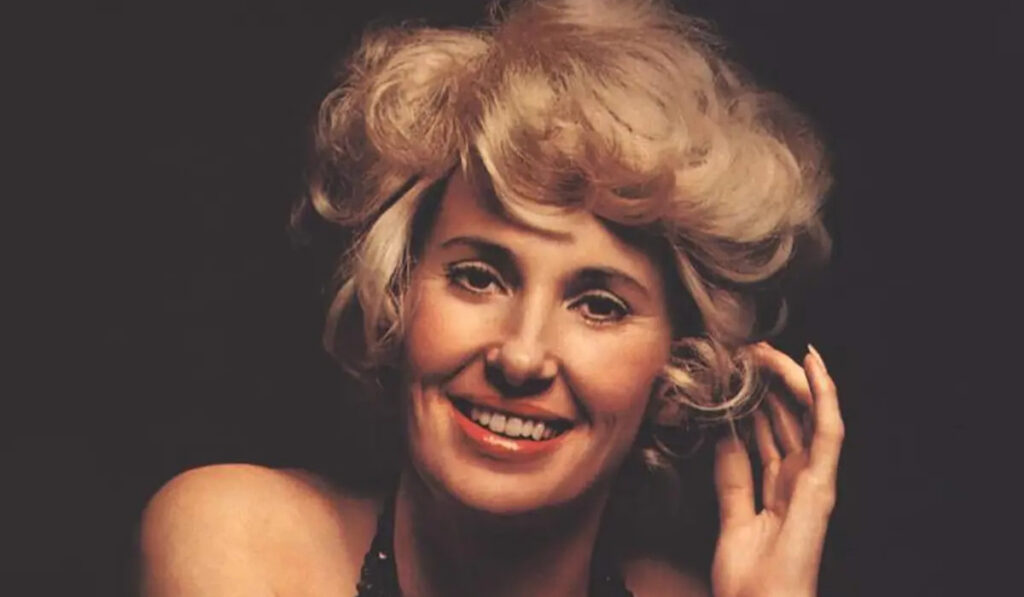
In 1966, driven by an unyielding ambition and a desire to provide for her young daughters, she made the pivotal decision to relocate to Nashville. The road to success was far from easy, as she faced numerous rejections from record labels that failed to see her potential. She spent her days pounding the pavement, auditioning for anyone who would listen, until she finally caught the attention of producer Billy Sherrill at Epic Records. This meeting proved to be the catalyst for her meteoric rise, turning her from a struggling mother into a rising star in Music City.
The Transformation into a Star
Under the guidance of Billy Sherrill, Virginia Wynette Pugh underwent a transformation that would change history, adopting the stage name Tammy Wynette. Sherrill recognized the unique, tear-tinged quality of her voice and helped her craft a sound that resonated deeply with audiences across the nation. Her early recordings quickly climbed the charts, showcasing a blend of traditional country grit and a modern, polished production that felt both timeless and immediate. This partnership was instrumental in shaping the persona that fans came to love, turning her into a household name within just a few short years.
The Success of Apartment Nine
Her journey to the top began with the release of the song “Apartment #9,” which, while not an immediate runaway hit, laid the groundwork for her future chart domination. The track introduced listeners to her signature vocal style—an ability to convey profound heartbreak through a simple, understated delivery that felt authentic to the listener. It was a clear signal that a new, powerful voice had arrived in the country genre. Though she was just beginning, the reception of this song validated her decision to pursue music full-time and provided the essential confidence needed for her upcoming masterpieces.
Charting Hits and Musical Milestones
Throughout the late 1960s, she achieved a level of success that few female artists of her time had ever reached. She consistently churned out hits that topped the country charts, establishing a remarkable streak of number-one singles that would span over two decades. Songs like “Your Good Girl’s Gonna Go Bad” and “I Don’t Wanna Play House” showcased her versatility and her uncanny ability to tap into the collective emotions of her audience. Her music became the soundtrack for millions, defining the sound of a decade and solidifying her place as a true powerhouse of the country industry.
The Iconic Stand by Your Man
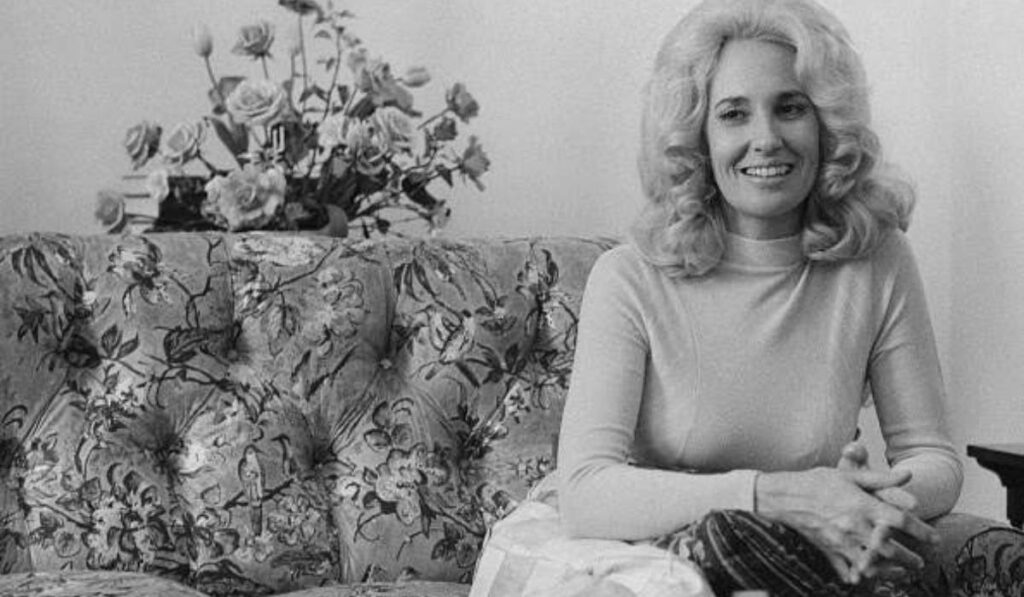
No discussion of her legacy is complete without acknowledging her career-defining masterpiece, “Stand by Your Man.” Released in 1968, the song became an instant anthem and eventually earned its place as one of the best-selling and most recognizable country singles in history. While it faced criticism from some who perceived its message as dated or controversial, it remained a deeply personal and poignant song for millions of listeners. The track remains a cultural touchstone today, frequently appearing on lists of the greatest songs of all time and representing the absolute peak of her incredible artistic influence.
Exploring the Themes of Heartbreak
Tammy Wynette had a rare gift for articulating the complexities of the human heart, particularly the pain associated with failed relationships and domestic struggle. Her music often explored themes of infidelity, divorce, and the quiet resilience required to hold a family together. By singing about these difficult topics with such honesty and vulnerability, she gave a voice to countless women who identified with her lyrics. Her work served as a form of catharsis for listeners, proving that country music could be just as intellectually and emotionally profound as any other genre of popular music.
Relationship with George Jones
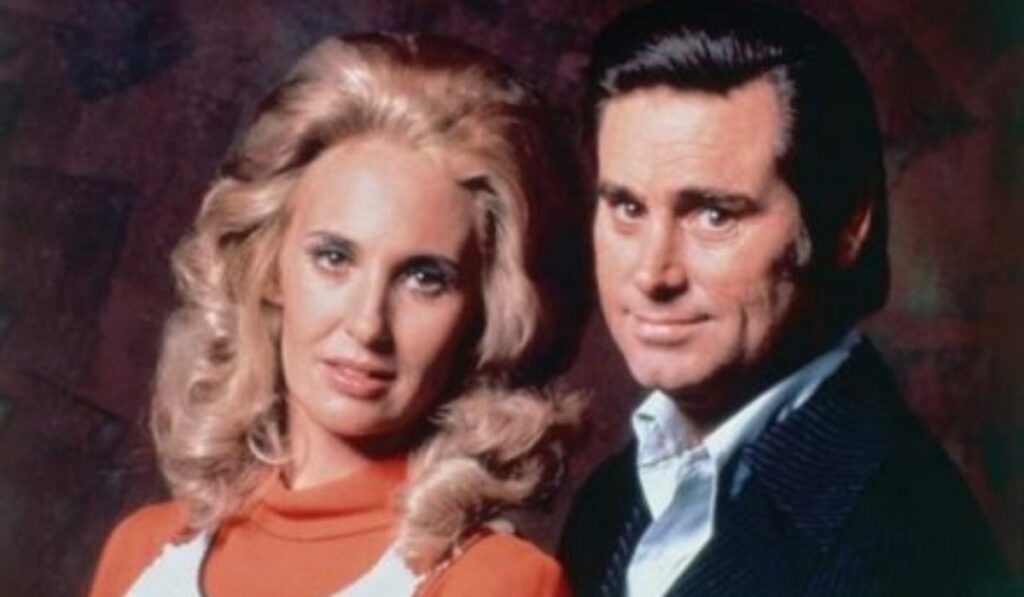
Her marriage to fellow country icon George Jones is one of the most famous and tumultuous partnerships in music history. Often referred to as the First Couple of Country Music, their shared stage presence was electric, and their duet recordings remain staples of the genre. Despite their personal challenges and eventual divorce in 1975, they continued to perform and record together, channeling their real-life drama into music that felt incredibly raw and authentic. This relationship added a layer of fascination for fans, as their songs often seemed to mirror the very real difficulties they faced behind closed doors.
Redefining Female Roles in Country
She was instrumental in shifting the landscape for women in the male-dominated field of country music. Alongside contemporaries like Dolly Parton and Loretta Lynn, she expanded the boundaries of what a female country singer could represent. Her persona was a delicate balance of “steel magnolia” strength and vulnerable, traditional femininity, a duality that made her both relatable and deeply admirable. By asserting her voice in such a challenging environment, she paved the way for generations of female artists to pursue their own paths, proving that success in Nashville could be achieved on their own unique terms.
The Vocal Style of a Legend
Critics and fans alike have long praised her for her distinctive “teardrop-in-every-note” vocal style. She possessed a rare ability to infuse her performances with an emotional gravity that made even the simplest lyrics sound profound. Her phrasing was precise and matter-of-fact, yet it carried an underlying weight that could bring a listener to tears. This technique, honed by years of listening to her idols, became her trademark. Whether she was singing about the joy of love or the depths of loneliness, her voice provided a constant, comforting presence that defined her singular musical identity.
Collaborations and Later Career
In her later years, she continued to evolve as an artist, seeking out new collaborations that spanned genres and generations. Her work with diverse artists, including a surprising and successful collaboration with the electronic music duo the KLF, demonstrated her willingness to experiment and remain relevant. She never stopped performing or engaging with her audience, even as her health began to decline. These later projects, alongside her consistent ability to draw crowds, served as a testament to her enduring talent and her status as an artist who was always looking forward while respecting her classic roots.
Overcoming Personal Challenges
Her life was often marked by significant personal hardships, including chronic health issues that required numerous surgeries and long periods of recovery. She faced her struggles with a level of dignity and openness that endeared her even further to her massive fanbase. Despite the pain she endured, she never allowed her circumstances to break her professional spirit. Her determination to continue working, touring, and recording albums until the end of her life serves as an inspiring example of her resilience and her deep, abiding love for the craft of music that had sustained her for so long.
Honoring a Country Music Icon
The recognition she received during and after her career is a testament to her monumental impact on American culture. She was the first female country artist to have an album certified gold, and her induction into the Country Music Hall of Fame solidified her place in history. Today, her music is preserved in the Library of Congress, and her influence is felt in the work of countless contemporary artists who cite her as a primary inspiration. She is remembered not just as a singer, but as a cultural force who gave a voice to the silent struggles of everyday life.
The Cultural Impact of Her Music
Beyond the charts, her songs became ingrained in the American consciousness, transcending the boundaries of country music to influence popular culture at large. Her ability to tell stories of working-class life, domesticity, and the search for happiness made her an essential figure in the music industry. Many of her songs have been covered by artists across every genre, proving the universality of her themes and the lasting quality of her songwriting. Her legacy is one of empathy, relatability, and a deep, enduring connection to the people who heard their own lives reflected in her voice.
Musical Style and Artistic Identity
Her musical identity was rooted in the traditions of honky-tonk and country-western, yet she possessed a modern sensibility that allowed her to cross over into mainstream pop. She didn’t just sing songs; she lived them. Her commitment to her persona—as a woman who was strong, flawed, and undeniably human—was central to her artistic vision. By refusing to hide her vulnerabilities, she created an authentic brand that stood the test of time. Her style remains a benchmark for what it means to be a “country star,” blending grit with grace in a way that remains uniquely hers.
Lasting Influence on Modern Country
The modern country music landscape is built on the foundation laid by legends like her. Her influence can be heard in the phrasing, the emotional honesty, and the thematic depth of today’s biggest stars. She taught the industry that a female voice could be just as powerful, just as commercially successful, and just as influential as any man’s. By balancing the demands of stardom with the desire for a real connection with her fans, she set a standard for what a country music icon could be. Her legacy lives on in every artist who sings from the heart.
Remembering the First Lady
As time passes, her reputation as the First Lady of Country Music only grows stronger. New generations of listeners are constantly discovering her discography, finding meaning in songs that were written decades ago. This continued appreciation is a sign of the timeless nature of her art. She captured the universal experiences of love, loss, and the effort it takes to keep going, ensuring that her music remains relevant. We continue to remember her for the strength she showed on stage and for the vulnerability she shared in her songs, keeping her spirit alive in music.
Preserving Her Musical Legacy
Efforts to preserve her work ensure that her contribution to American music will never be forgotten. From museum exhibits to digital remasterings of her classic albums, her career is continuously celebrated by institutions that recognize her importance. These efforts allow fans to continue exploring her catalog, from her early hits to her final, introspective recordings. By maintaining access to her work, we keep the history of country music alive for future fans. It is a vital task to ensure that the voice that defined a generation continues to resonate for many years to come.
A Final Thought on a Musical Giant
She was more than just a singer; she was a storyteller who understood the human condition in a way that few others have. Her life and career were marked by a rare combination of grit, talent, and emotional depth that made her a true legend. Her legacy is not just in the number of hits she had or the awards she won, but in the millions of lives she touched. For more detailed information on her life and career, you can visit the Tammy Wynette page for a deeper look into her history.
FAQs
- What was Tammy Wynette’s most famous song?
- Her most iconic and best-selling song is “Stand by Your Man.”
- Was Tammy Wynette married to George Jones?
- Yes, they were married from 1969 to 1975 and were known as the First Couple of Country Music.
- Why is she called the First Lady of Country Music?
- She earned this title due to her massive success in the 1960s and 70s as one of the most influential female country artists.
- How many number-one hits did she have?
- She scored 20 number-one singles throughout her prolific country music career.
- When did Tammy Wynette pass away?
- She passed away at her home in Nashville on April 6, 1998.