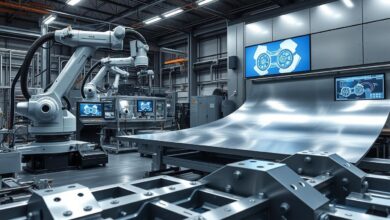
Metal cutting is one of the most essential steps in modern fabrication, shaping everything from architectural components to industrial parts. As the demand for precision and efficiency continues to rise, understanding the differences between today’s most widely used metal cutting methods—laser cutting and plasma cutting—can help project planners, contractors, and designers choose the best approach for their specific needs.
How Laser Cutting Works
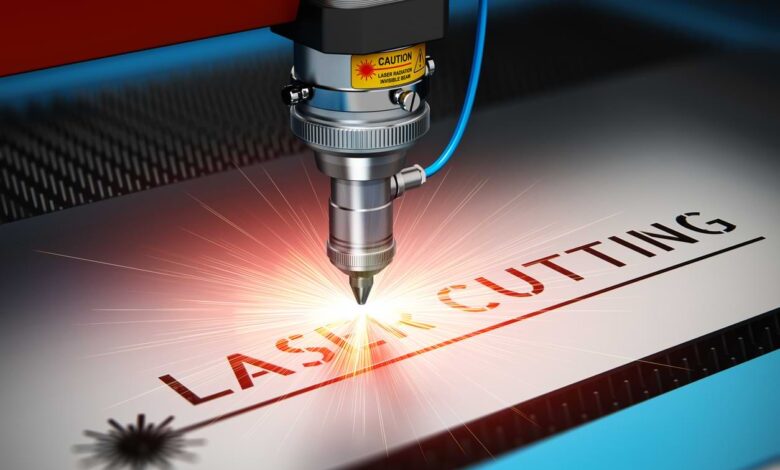
Laser cutting uses a concentrated beam of light to melt or vaporize metal with remarkable accuracy. Because the beam is extremely narrow, it produces clean, crisp edges and allows for intricate patterns, tight tolerances, and minimal material distortion. This makes laser cutting ideal for detailed architectural elements, custom components, signage, and projects where visual quality is a priority.
Laser systems also excel with thin to medium-thick metals and provide repeatable results, which is valuable for production runs or projects requiring consistent cuts.
How Plasma Cutting Works
Plasma cutting relies on an electrically conductive gas—such as oxygen, nitrogen, or argon—to create a plasma arc capable of slicing through metal. Unlike a laser’s focused beam, a plasma cutter uses ionized gas to melt the material and blow the molten metal away.
This method is known for its ability to cut through thicker metal quickly and cost-effectively. Structural steel, heavy plate, and components used in construction or industrial applications are often best suited for plasma cutting. It may not produce edges as refined as laser cutting, but it offers excellent performance for large-scale or heavy-duty projects.
Choosing the Right Metal Cutting Method
The best metal cutting technique depends on three main factors:
- Material Thickness: Laser cutting is ideal for thinner metals, while plasma cutting handles thick steel with ease.
- Desired Precision: If a project requires intricate shapes or fine details, laser cutting is generally the better choice.
- Budget & Speed Requirements: Plasma cutting is typically more economical for heavy-gauge materials and large volumes.
The Role of Metal Cutting in Fabrication Projects
Whether part of a complex architectural design or a large construction build, precise metal cutting lays the foundation for the final product’s accuracy, strength, and performance. Understanding the strengths of different cutting methods allows engineers, architects, and builders to achieve the results they need—efficiently and reliably.
Read More Trekkers